
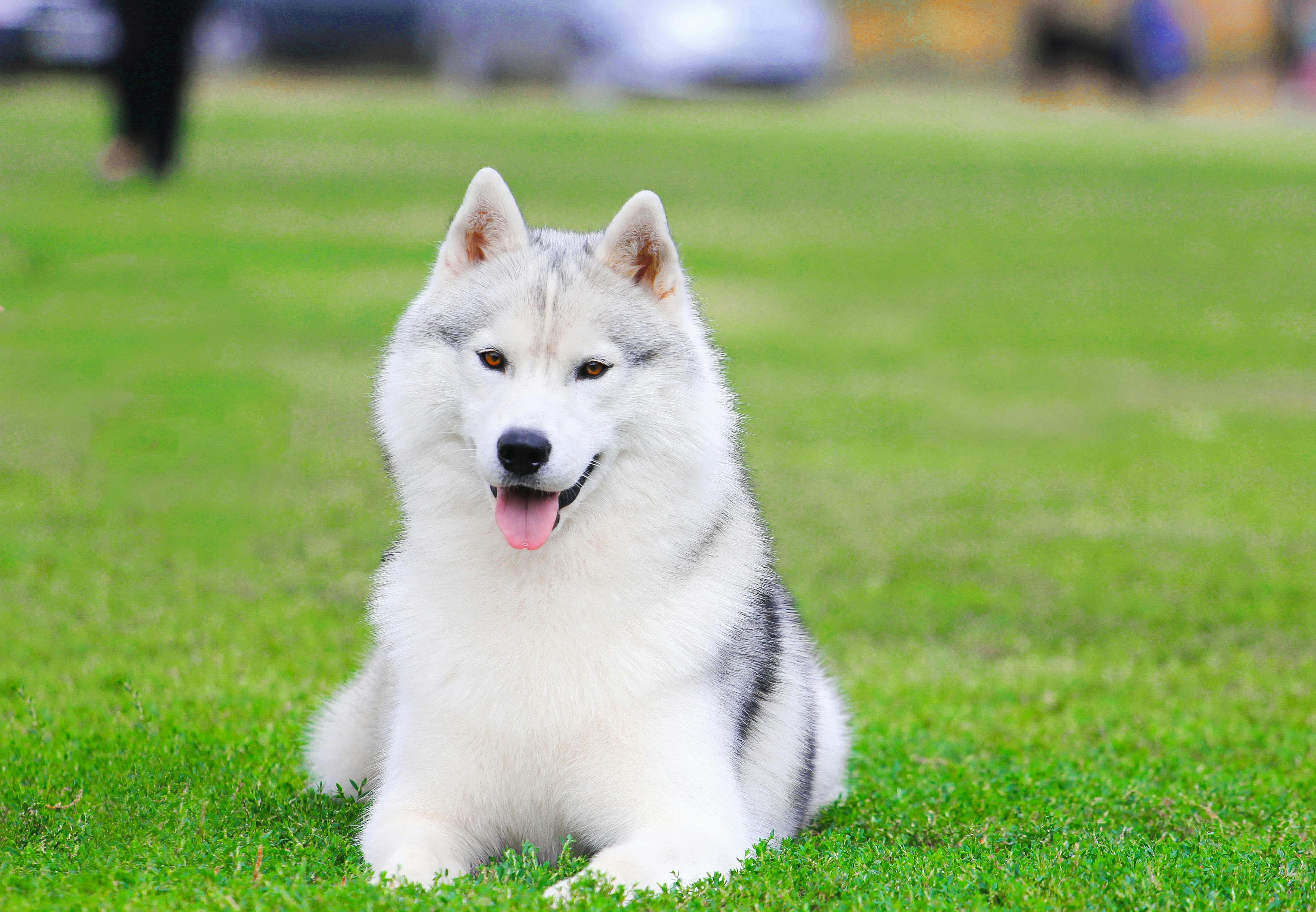
Photo credit: Albina ChamonixDeus / Pexels
Have you ever watched in awe as a well-trained dog responds perfectly to their owner’s commands? That beautiful harmony didn’t happen by accident—it was built through patient, positive training methods that strengthen the bond between human and canine.
At Earth Paw Pets, we believe that training should be a joyful experience for both you and your dog. Positive reinforcement training isn’t just about teaching commands—it’s about building trust, enhancing communication, and creating a relationship based on mutual respect. In this comprehensive guide, we’ll walk you through exactly how to implement this effective, science-backed training approach with your furry friend.
What is Positive Reinforcement Training?
Positive reinforcement training is a method that rewards desired behaviors, making them more likely to occur again. Instead of punishing what’s wrong, we focus on celebrating and rewarding what’s right. This approach works with your dog’s natural instincts to learn and problem-solve, creating a willing partner rather than a fearful subordinate.
Key Principles of Positive Reinforcement:
- Reward immediately when your dog performs the desired behavior
- Use high-value rewards that motivate your specific dog
- Keep training sessions short and positive
- Set your dog up for success by breaking behaviors into small steps
- Always end on a positive note, even if it means asking for an easier behavior
Why Positive Reinforcement Works Better Than Punishment-Based Methods
Scientific research consistently shows that positive reinforcement training is not only more ethical but also more effective than aversive methods. Studies have found that dogs trained with positive methods:
- Learn commands more quickly and retain them longer
- Show higher levels of confidence and problem-solving ability
- Exhibit fewer behavior problems and less stress
- Have stronger bonds with their owners
- Are more willing to offer new behaviors
Punishment-based methods, on the other hand, can create fearful, anxious dogs who may respond unpredictably or shut down entirely. Positive reinforcement builds your dog’s confidence while strengthening your relationship.
Essential Tools for Positive Reinforcement Training
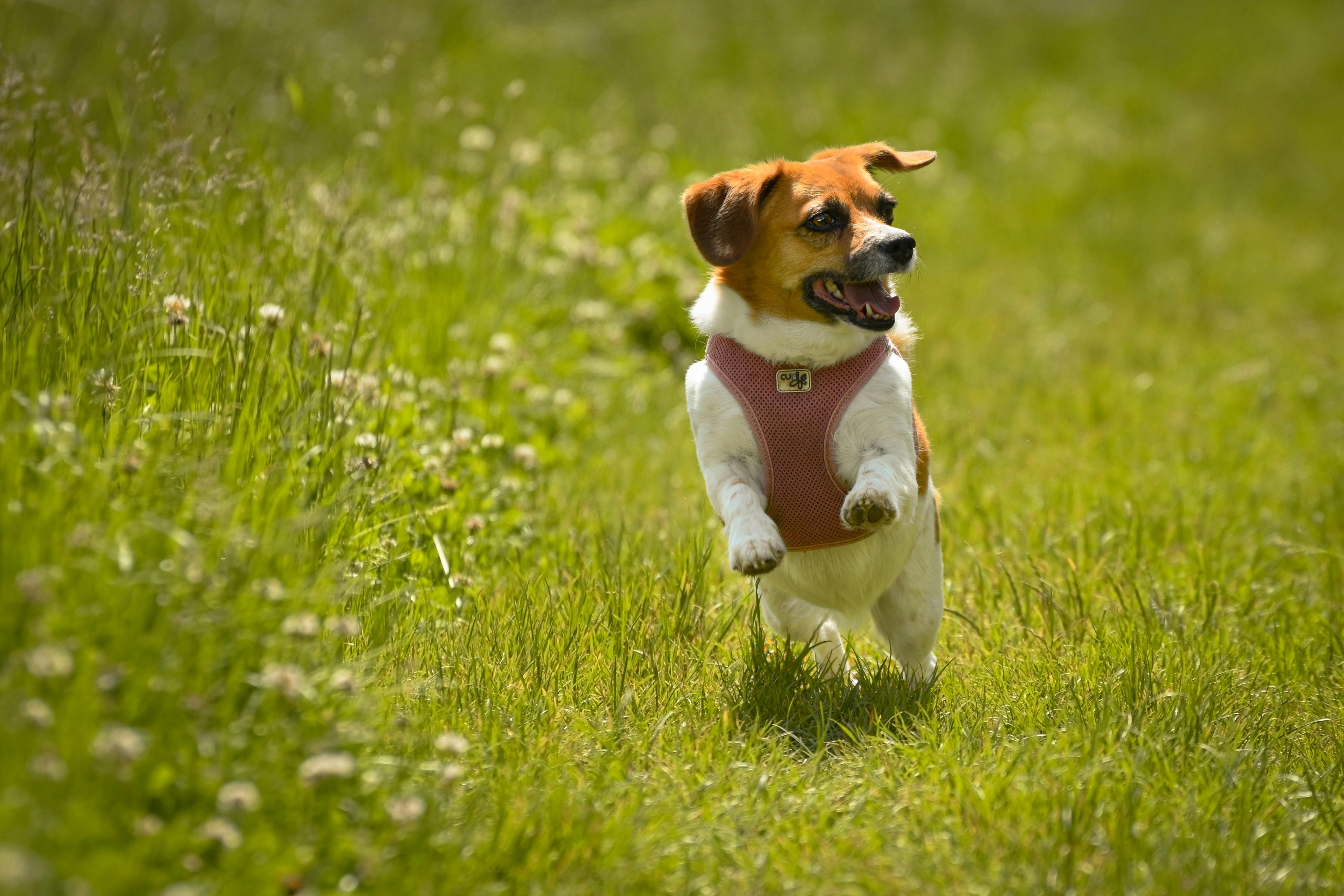
Photo credit: Alexas Fotos / Pexels
You don’t need fancy equipment to start positive reinforcement training. Here are the basics:
- High-value treats: Small, soft treats that your dog loves. Keep them varied to maintain interest.
- Treat pouch: Keeps rewards handy and allows for quick delivery.
- Clicker (optional): A small device that makes a consistent sound to mark desired behaviors.
- Leash and harness: For safety and control during training sessions.
- Patience and enthusiasm: Your attitude is your most important tool!
Step-by-Step Guide to Positive Reinforcement Training
Step 1: Master the Art of Timing
The key to successful positive reinforcement is precise timing. The reward must come within 1-2 seconds of the desired behavior for your dog to make the connection. This is why many trainers use a clicker—it creates a consistent “bridge” between the behavior and the reward.
Practice Your Timing:
Before working with your dog, practice your timing with a friend. Have them perform a simple action (like tapping their nose), and click or say “yes!” the moment it happens, then immediately “reward” with a pretend treat. This helps develop the muscle memory needed for effective training.
Step 2: Choose Your Marker
A marker is a signal that tells your dog, “Yes! That’s exactly what I wanted!” Common markers include:
- Clicker: Provides a consistent, unique sound
- Verbal marker: A specific word like “Yes!” or “Good!”
- Visual marker: A thumbs-up or hand signal (great for deaf dogs)
Whichever marker you choose, be consistent. “Charge” your marker by repeatedly pairing it with a treat—click then immediately treat, even when your dog isn’t doing anything specific. Soon your dog will understand that the marker predicts something good is coming.
Step 3: Start with Basic Cues
Photo credit: Lum3n / Pexels
Begin with simple behaviors that your dog might offer naturally. “Sit” is an excellent starting point:
- Hold a treat near your dog’s nose
- Slowly move the treat up and back over their head
- As their head follows the treat, their bottom will naturally lower
- The moment their bottom touches the floor, mark with your clicker or “Yes!”
- Immediately give the treat
- Repeat several times until your dog is consistently sitting
- Add the verbal cue “Sit” just as they begin to move into position
Practice in short sessions of 3-5 minutes, several times a day. Always end while your dog is still engaged and successful.
Step 4: Apply the Same Process to Other Commands
Use similar techniques to teach other basic commands:
- Down: From a sit, lure your dog downward with a treat between their paws
- Stay: Ask for a sit, then reward for progressively longer periods of stillness
- Come: Reward enthusiastically every time your dog approaches you
- Leave it: Reward for moving away from a tempting object
Training Pro Tip:
Always train in a low-distraction environment first, then gradually add challenges as your dog masters the behavior. If your dog struggles, make the exercise easier—success builds confidence!
Step 5: Fade the Lures and Rewards
Once your dog reliably follows a lure to perform a behavior, begin to fade the food lure by using an empty hand with the same motion, then rewarding from your other hand. Gradually transition to variable reinforcement—rewarding sometimes but not always—to make behaviors more reliable long-term.
Advanced Positive Reinforcement Techniques
Capturing Behaviors
Instead of luring, you can “capture” behaviors your dog offers naturally. Keep treats handy, and when you see your dog do something you like (stretching, lying down, shaking), mark and reward. With repetition, your dog will offer these behaviors more frequently.
Shaping Complex Behaviors
For more complex behaviors, break them down into tiny steps and reward successive approximations. For example, to teach “go to your bed”:
- Reward for looking toward the bed
- Then for taking one step toward it
- Then for moving closer
- Then for putting one paw on it
- Continue until your dog is reliably going to their bed
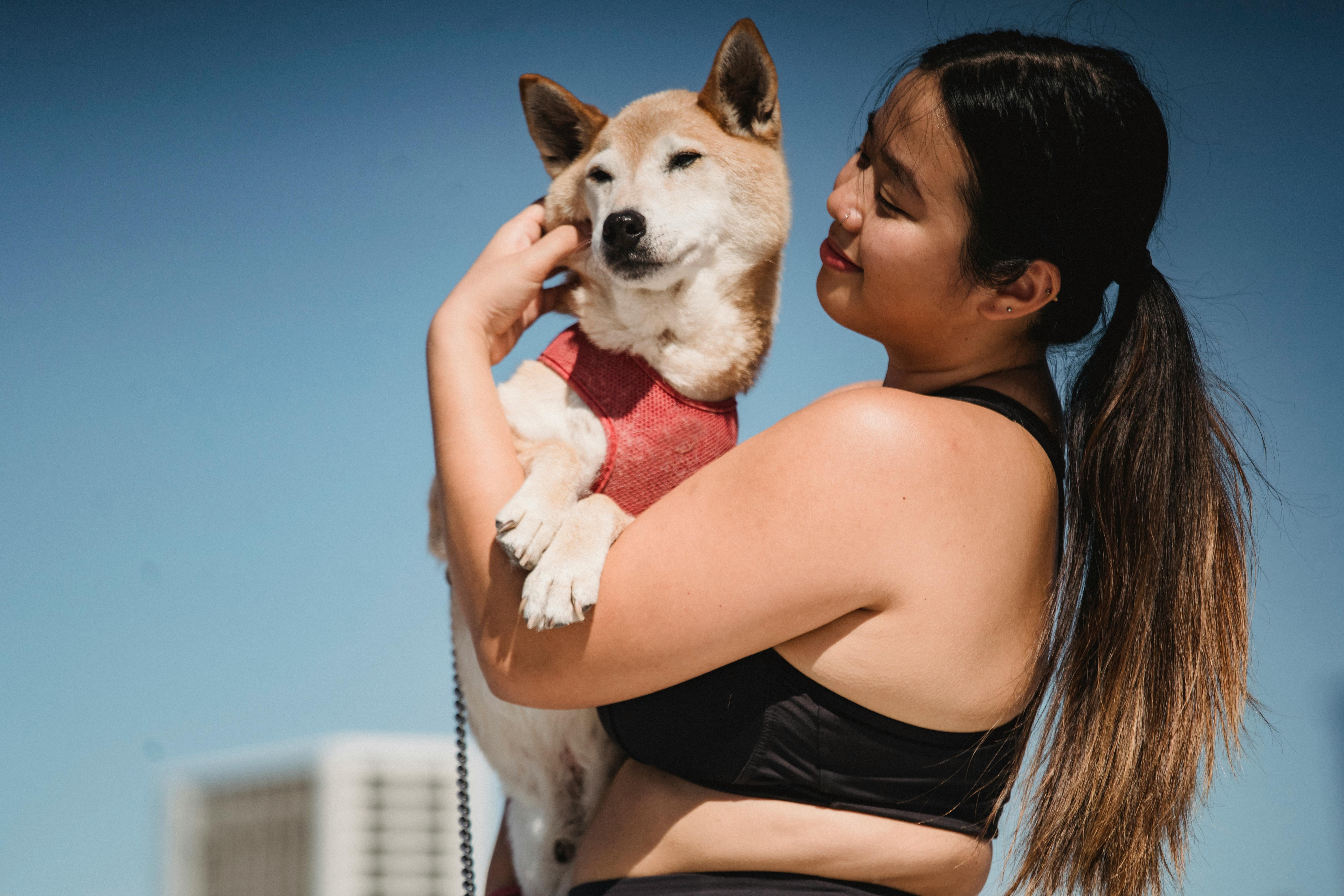
Photo credit: Anna Shvets / Pexels
Using Life Rewards
Food isn’t the only reward you can use. “Life rewards”—things your dog naturally wants—can be powerful training tools:
- Ask for a sit before opening the door for walks
- Request a down before putting down the food bowl
- Practice a stay before throwing a ball
This integrates training into daily life and teaches your dog that cooperating with you leads to good things.
Common Training Challenges and Positive Solutions
My Dog Isn’t Food Motivated
Some dogs are less interested in food rewards. Try:
- Higher value treats (cheese, chicken, hot dogs)
- Using their regular meal kibble when they’re hungry
- Non-food rewards like toys, praise, or play
- Building food motivation by hand-feeding meals during initial training
My Dog Gets Too Excited During Training
Over-arousal is common, especially with high-energy dogs:
- Use lower-value treats to reduce excitement
- Incorporate calm behaviors into your sessions
- Take breaks for gentle petting or massage
- Practice in a less stimulating environment
My Dog Knows Commands But Doesn’t Listen
This usually means:
- The behavior isn’t proofed enough in different environments
- The reward value isn’t high enough for the level of distraction
- Your dog has learned that commands are optional
Go back to basics with higher-value rewards in easier environments and gradually build up again.
What Not to Do:
Avoid repeating commands, raising your voice, or punishing your dog for not responding. This damages trust and undermines your training. Instead, make sure you’ve set your dog up for success with proper preparation and appropriate rewards.
Positive Reinforcement for Common Behavior Issues

Photo credit: Photostock Editor / Pexels
Positive reinforcement isn’t just for basic obedience—it’s incredibly effective for addressing behavior challenges:
- Jumping: Reward four paws on the floor instead of attention for jumping
- Pulling on leash: Reward when the leash is loose, not when it’s tight
- Separation anxiety: Reward calm behavior when alone for brief periods
- Fearfulness: Reward brave behavior around mild versions of feared stimuli
Remember that serious behavior issues may require help from a certified professional dog trainer or veterinary behaviorist.
Training Through Life Stages
Puppies (8 weeks – 6 months)
Focus on socialization, bite inhibition, and foundation behaviors. Keep sessions very short (1-2 minutes) and make everything a game.
Adolescents (6 months – 2 years)
This challenging period requires patience and consistency. Your previously obedient puppy may “forget” commands as they test boundaries. Stay positive and keep training!
Adult Dogs (2-7 years)
Build on foundation behaviors and add more complex skills. This is a great time to try dog sports or advanced training.
Senior Dogs (7+ years)
Adjust for physical limitations but continue mental stimulation. Teach new tricks that accommodate any mobility issues.
Building a Lifetime Bond Through Positive Training
Positive reinforcement training is more than a method—it’s a philosophy that respects your dog as a thinking, feeling partner in the training process. When you focus on rewarding what you love rather than punishing what you don’t, you create a dog who offers behaviors willingly instead of complying out of fear.
The benefits extend far beyond obedience:
- A deeper bond built on trust and mutual understanding
- A confident dog who enjoys learning and trying new things
- Fewer behavior problems and less stress in your household
- The joy of communicating effectively with another species
Remember that progress isn’t always linear. Some days will feel like breakthroughs, others like setbacks. What matters is consistency, patience, and maintaining a positive attitude. Your dog isn’t giving you a hard time—they’re having a hard time. Your job is to help them succeed.
At Earth Paw Pets, we believe that positive training creates not just well-behaved dogs, but happy companions who are truly connected to their humans. The time you invest in positive reinforcement training will pay dividends for years to come in the form of a remarkable relationship with your best friend.