
Clay vs. Pine vs. Wheat vs. Silica vs. Recycled Paper: A Detailed Comparison
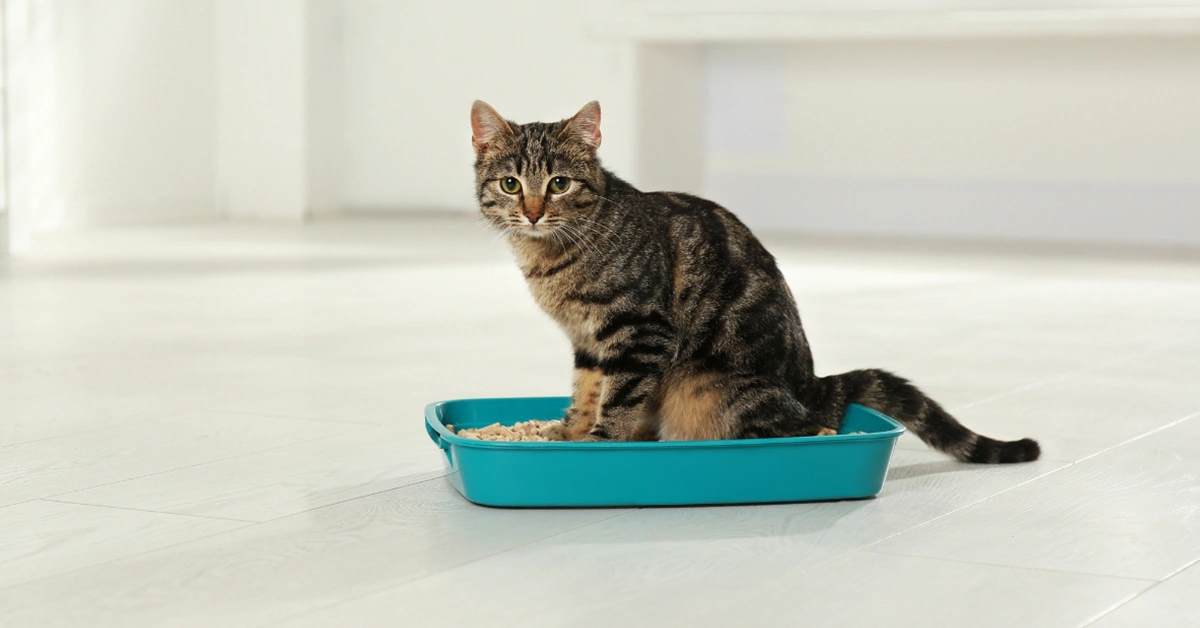
A tabby cat comfortably using an eco-friendly litter box at home.
Choosing the right cat litter isn’t just about odor control and clumping ability—it’s also about making an environmentally conscious decision that impacts our planet. With so many options available, how do you select the best eco-friendly litter for your feline friend while keeping your home fresh and clean?
At Earth Paw Pets, we’ve done the research to help you navigate the world of sustainable cat litter options. In this comprehensive guide, we’ll compare the five most popular eco-friendly litter types: clay, pine, wheat, silica, and recycled paper. We’ll break down the pros, cons, and environmental impact of each so you can make an informed decision that’s good for your cat and the planet.
Why Eco-Friendly Cat Litter Matters
Traditional clay litter, while effective, comes with significant environmental drawbacks. It’s strip-mined, non-biodegradable, and contributes to landfill waste. Eco-friendly alternatives offer sustainable solutions that minimize your carbon pawprint while providing excellent odor control and absorption.
Quick Eco-Benefits:
- Biodegradable: Breaks down naturally without harming the environment
- Renewable: Made from sustainable resources that replenish quickly
- Reduced carbon footprint: Less energy required for production and transportation
- Non-toxic: Safer for your cat, your family, and the planet
The Comprehensive Comparison: 5 Eco-Friendly Litter Types
When choosing a cat litter, price is an important consideration. Here’s a detailed comparison of the costs for different types of cat litter:
| Litter Type | Price per Pound | Price for 20-lb Bag | Eco-Friendliness | Value Rating |
|---|---|---|---|---|
| Clay | $1.00 – $1.50 | $20 – $30 | Low | ★★★★☆ |
| Pine (Wood-based) | $1.50 – $2.00 | $30 – $40 | High Eco | ★★★★☆ |
| Wheat | $1.50 – $2.00 | $30 – $40 | High Eco | ★★★★☆ |
| Silica Gel | $3.00 – $4.00 | $60 – $80 | Medium | ★★★☆☆ |
| Recycled Paper | $1.30 – $2.00 | $26 – $40 | Very High Eco | ★★★★★ |
Key Considerations
- Eco-friendly options are often more expensive initially but may last longer
- Consider your cat’s preferences when switching litter types
- Some litters have better odor control than others
- Biodegradable options are better for the environment
- Dust levels vary between litter types
Money-Saving Tips
- Buy in bulk to reduce cost per pound
- Look for subscription discounts
- Consider mixing litters for cost-effectiveness
- Choose a litter that requires less frequent changing
- Check for manufacturer coupons online
Detailed Comparison of Litter Types
Clay Litter
Clay litter is the most traditional and widely used type of cat litter. It’s made from sodium bentonite clay, which is obtained through strip mining.
Pros
- Excellent clumping ability
- Strong odor control
- Widely available
- Most cats are familiar with it
Cons
- Not biodegradable
- High dust levels
- Environmentally damaging mining process
- Heavy to carry and store
Pine Litter
Pine litter is made from reclaimed pine wood that’s been compressed into pellets or granules. This uses wood waste that would otherwise be discarded.
Pros
- Made from renewable resources
- Natural pine scent helps control odor
- Low dust compared to clay
- Biodegradable and compostable
Cons
- Some cats dislike the texture or scent
- Doesn’t clump like clay litter
- May track more than other litter types
Wheat Litter
Wheat litter is made from the unusable parts of wheat crops after harvest. It utilizes material that would otherwise go to waste.
Pros
- Excellent clumping ability
- Natural enzymes provide odor control
- Biodegradable and compostable
- Renewable resource
Cons
- Can attract pantry pests if stored improperly
- Not suitable for cats with wheat allergies
- May have a subtle cereal scent
Silica Gel Litter
Silica gel litter is made from silicon dioxide, a natural material derived from sand. The crystals are highly porous and absorbent.
Pros
- Exceptional odor control
- Extremely low dust
- Lasts longer than other litter types
- Lightweight
Cons
- Most expensive option
- Not biodegradable
- Some cats dislike the texture
- Production process is energy-intensive
Recycled Paper Litter
Recycled paper litter is made from post-consumer paper products that are processed into pellets or granules.
Pros
- Made from recycled materials
- Virtually dust-free
- Highly absorbent
- Biodegradable and compostable
Cons
- Poor clumping ability
- Requires more frequent complete changes
- Less effective at odor control
- Can become soggy if not changed regularly
Clay Litter: The Traditional Choice
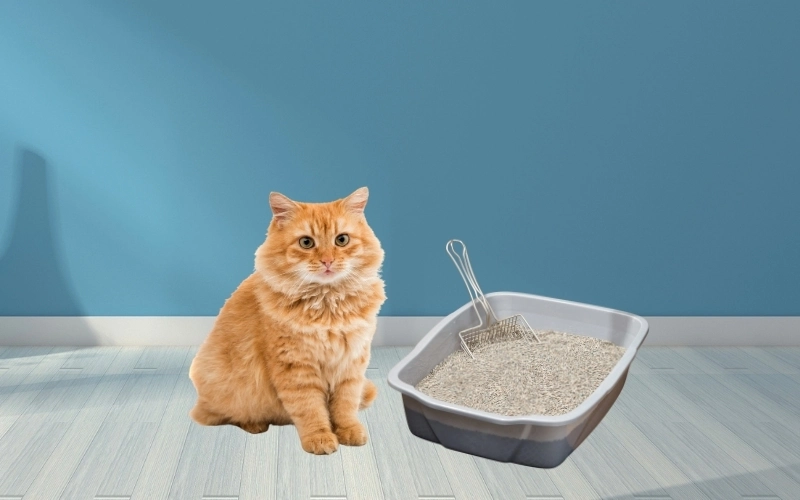
Traditional clay cat litter in a litter box.
How it’s made: Clay litter is made from sodium bentonite clay, which is obtained through strip mining. This process involves removing layers of soil and rock to access the clay beneath, causing significant environmental disruption.
Pros:
- Excellent clumping ability for easy cleanup
- Strong odor control
- Most cats are already accustomed to it
- Widely available and inexpensive
Cons:
- Not biodegradable or renewable
- Dust can be problematic for cats and humans with respiratory issues
- Heavy to transport (higher carbon footprint)
- Strip mining causes environmental damage
Eco Note:
While clay is natural, it’s not considered eco-friendly due to its mining process and lack of biodegradability. Approximately 2 million tons of clay litter end up in landfills each year, where it will remain for thousands of years.
Pine Litter: The Natural Choice
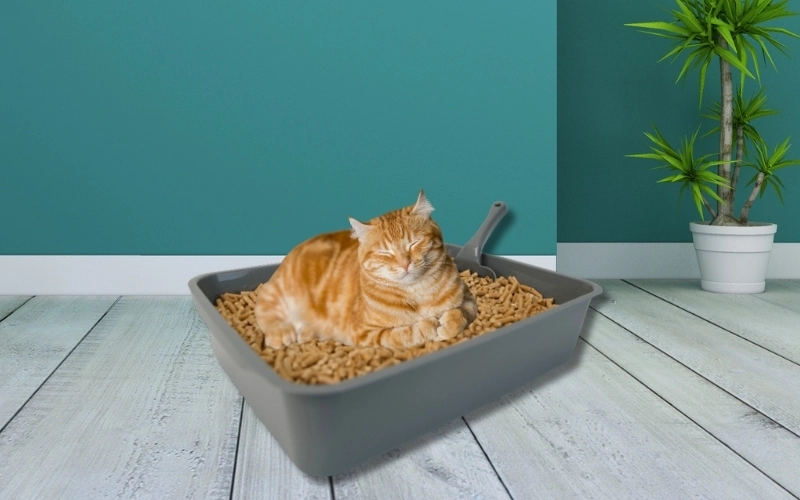
Eco-friendly pine pellet cat litter close up.
How it’s made: Pine litter is made from reclaimed pine wood that’s been compressed into pellets or granules. This uses wood waste that would otherwise be discarded.
Pros:
- Made from renewable, sustainable resources
- Natural pine scent helps control odor
- Low dust compared to clay
- Biodegradable and compostable (with precautions)
- Lightweight compared to clay
Cons:
- Some cats dislike the texture or scent
- Doesn’t clump like clay litter
- May track more than other litter types
- Can be more expensive than clay
Pro Tip:
When switching to pine litter, mix it with your cat’s old litter gradually over 7-10 days to help them adjust to the new texture and scent.
Wheat Litter: The Clumping Eco-Option
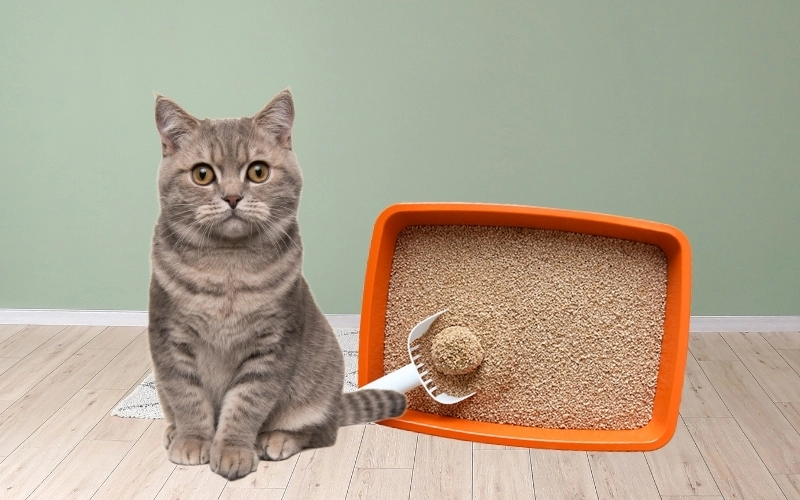
Natural wheat-based cat litter close up.
How it’s made: Wheat litter is made from the unusable parts of wheat crops after harvest. It utilizes material that would otherwise go to waste.
Pros:
- Excellent clumping ability similar to clay
- Natural enzymes in wheat provide odor control
- Biodegradable and compostable
- Renewable resource
- Low dust compared to clay
Cons:
- Can attract pantry pests if stored improperly
- Not suitable for cats with wheat allergies
- May have a subtle cereal scent some cats dislike
- Typically more expensive than clay
Silica Gel Litter: The High-Tech Solution
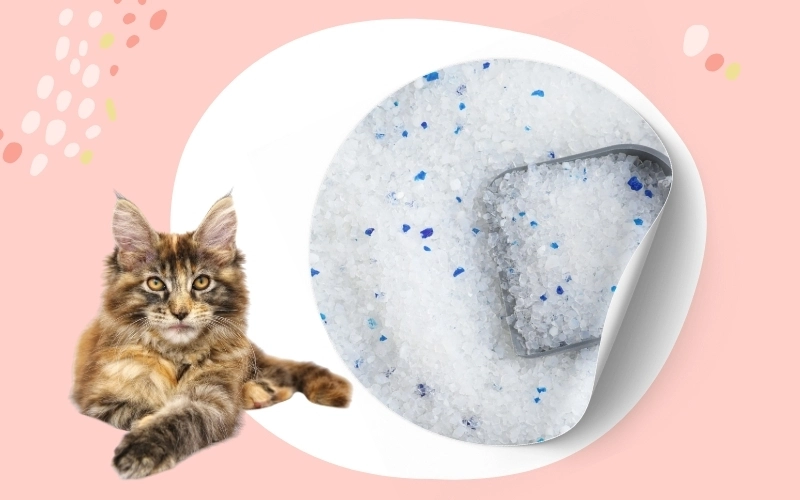
Silica gel crystal cat litter close up.
How it’s made: Silica gel litter is made from silicon dioxide, a natural material derived from sand. The crystals are highly porous and absorbent.
Pros:
- Exceptional odor control (absorbs moisture and traps smells)
- Extremely low dust
- Lasts longer than other litter types
- Lightweight
- Low tracking
Cons:
- Not biodegradable
- Most expensive option
- Some cats dislike the texture of the crystals
- Doesn’t clump (requires stirring to distribute moisture)
- Production process is energy-intensive
Eco Perspective:
While silica gel isn’t biodegradable, its longevity means you use less litter over time, potentially reducing overall waste. However, it still ends up in landfills where it won’t break down.
Recycled Paper Litter: The Upcycled Wonder
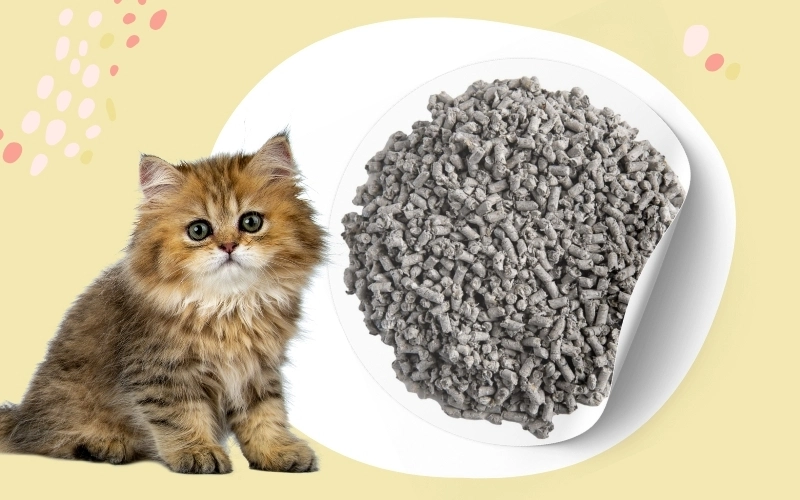
Eco-friendly recycled paper cat litter pellets close up.
How it’s made: Recycled paper litter is made from post-consumer paper products that are processed into pellets or granules.
Pros:
- Made from recycled materials that would otherwise be waste
- Virtually dust-free
- Highly absorbent
- Biodegradable and compostable
- Soft texture is good for cats with sensitive paws
- Often recommended for postoperative cats
Cons:
- Poor clumping ability
- Requires more frequent complete changes
- Less effective at odor control than other options
- Can become soggy if not changed regularly
How to Choose the Best Eco-Friendly Litter for Your Cat
Selecting the right litter involves considering your cat’s preferences, your household needs, and environmental impact. Here’s what to consider:
Selection Checklist:
- Your cat’s preferences: Some cats are texture-sensitive
- Multiple cat households: May need more odor control
- Respiratory issues: Choose low-dust options like pine or paper
- Local availability: Reduces transportation footprint
- Budget: Some eco-options cost more upfront but last longer
- Disposal method: Can you compost? (never compost cat waste from non-vegetarian cats)
Transitioning to Eco-Friendly Litter
Cats can be creatures of habit, so a gradual transition is key to success:
- Start with a mix of 75% old litter to 25% new litter
- Gradually increase the proportion of new litter over 1-2 weeks
- Provide multiple litter boxes with different options during transition
- Be patient—some cats need more time to adjust than others
Important Warning:
Never flush any type of cat litter, even those labeled “flushable.” Cat feces can contain toxoplasma gondii parasites that survive water treatment and harm marine life.
Making an Eco-Friendly Choice That Works for You and Your Cat
Switching to eco-friendly cat litter is one of the simplest ways to reduce your environmental impact while providing a healthy bathroom environment for your feline companion. While no option is perfect, each eco-friendly alternative offers significant environmental advantages over traditional clay litter.
The best litter for your household depends on your priorities:
- For maximum eco-benefits: Choose pine, wheat, or recycled paper
- For odor control: Consider silica or wheat
- For cats with respiratory issues: Paper or pine are excellent low-dust options
- For budget-conscious households: Despite not being eco-friendly, clay remains the most affordable option
Remember that any step toward more sustainable pet products makes a difference. Even transitioning to a partially eco-friendly option or reducing waste through proper maintenance helps minimize your environmental impact while keeping your cat happy and healthy.
At Earth Paw Pets, we believe that small changes in our pet care routines can lead to significant positive impacts on our planet. The journey to sustainability is just that—a journey. Start where you are, and take it one paw print at a time.
Recommended Eco-Friendly Cat Litters
After extensive research and testing, we’ve selected these top-rated eco-friendly cat litters that balance sustainability with excellent performance.

Ökocat Wood Clumping Cat Litter
Perfect for long-haired breeds and cats with allergies. Made from reclaimed wood with superior clumping action.
View on Amazon
Natural Wheat Multi-Cat Litter
Excellent clumping wheat litter that naturally neutralizes odors. Great for multi-cat households.
View on Amazon
Fresh Step Crystals Premium Litter
Long-lasting silica crystals that provide exceptional odor control. Low dust and great for sensitive noses.
View on Amazon
Fresh News Recycled Paper Litter
Eco-friendly litter made from recycled paper. Excellent for post-surgery cats and those with respiratory issues.
View on Amazon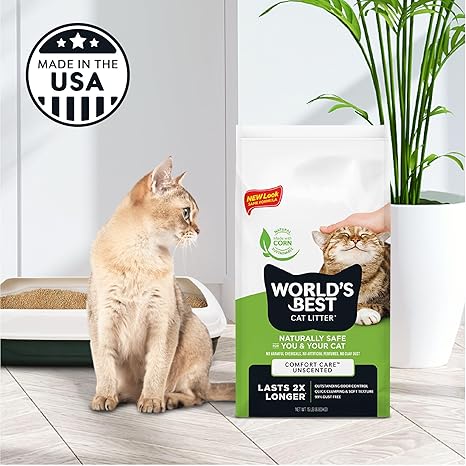
World’s Best Cat Litter Comfort Care
Corn-based litter with excellent clumping and odor control. Flushable and made in the USA.
View on Amazon
World’s Best Lavender Scented Litter
Same great formula with a calming lavender scent. Perfect for multi-cat households needing extra odor control.
View on AmazonDisclosure: We may earn a small commission from purchases made through these links at no extra cost to you. This helps support our site and allows us to continue providing quality content. We only recommend products we truly believe in.