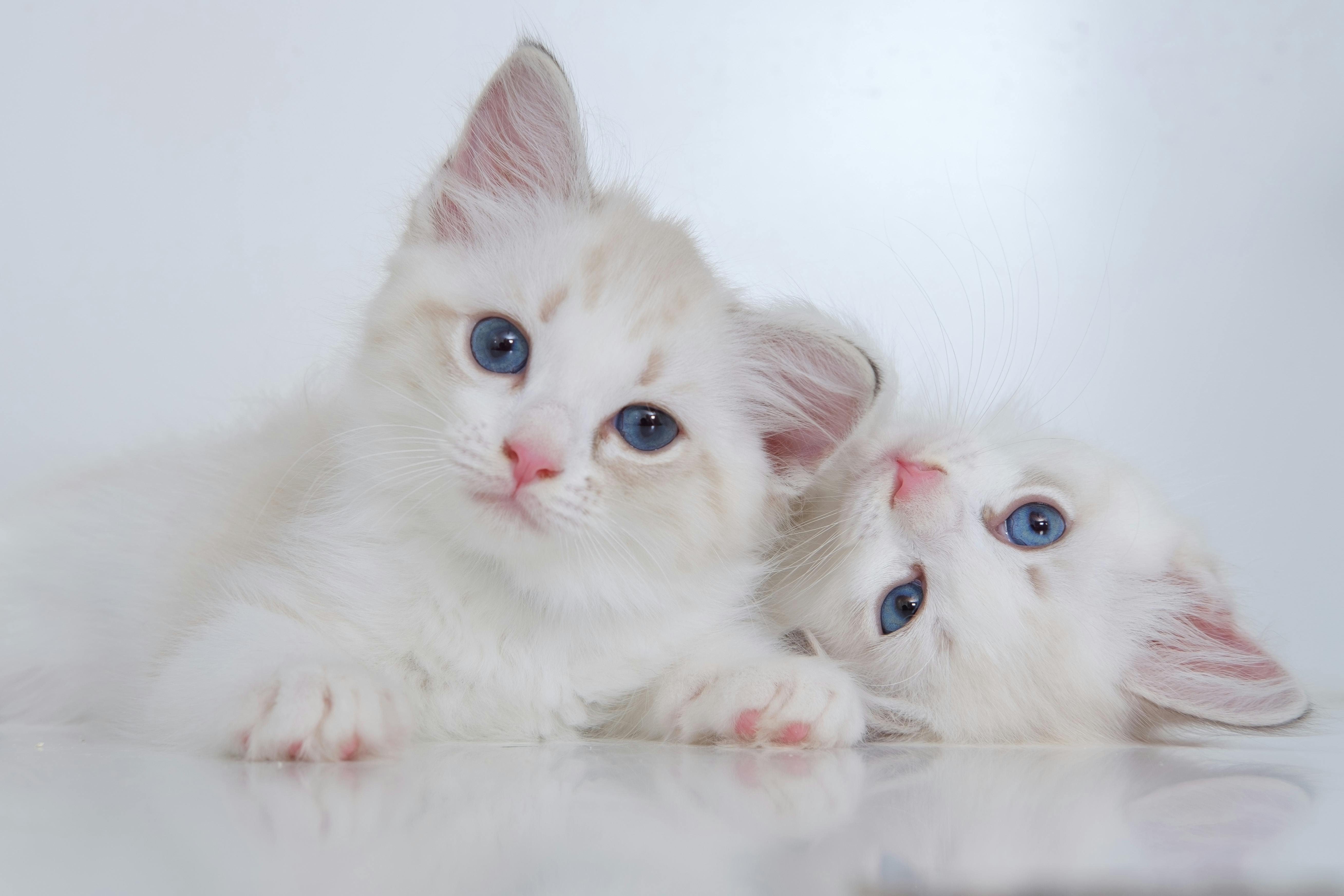
Bringing home a new kitten is an exciting experience filled with joy and adorable moments. However, it also comes with great responsibility. The first few months of a kitten’s life are crucial for their development and long-term health. From weaning to vaccinations, this comprehensive guide covers everything you need to know to give your kitten the best start in life.
The Kitten Development Timeline
Understanding your kitten’s developmental stages is key to providing appropriate care at each phase of their growth. Kittens undergo rapid changes during their first few months, and each stage has specific needs and milestones.
0-2 weeks: Newborn Stage
Kittens are born blind and deaf with their eyes and ears sealed shut. They rely completely on their mother for warmth, nutrition, and elimination stimulation. During this stage, kittens spend about 90% of their time sleeping and 10% feeding. They cannot regulate their own body temperature, so they depend on their mother and littermates for warmth. The mother cat’s milk provides essential nutrients and antibodies that help protect the kittens from diseases.
2-4 weeks: Eyes Open, Senses Develop
Kittens’ eyes begin to open between 7-14 days, initially appearing blue regardless of their eventual eye color. Their vision is blurry at first but gradually improves. Ear canals open around the same time, allowing kittens to hear sounds. They begin to respond to noises and may startle at loud sounds. By the end of this period, kittens start attempting to stand and take their first wobbly steps. They also begin to develop their sense of smell, which helps locate their mother.
3-4 weeks: Weaning Begins
The first baby teeth (deciduous teeth) begin to emerge, which signals the start of the weaning process. Kittens show interest in their mother’s food and may attempt to nibble. This is the ideal time to introduce a high-quality kitten food mixed with kitten formula to create a gruel-like consistency. Kittens still nurse frequently but begin to explore solid food. They also start learning important social skills from their mother and littermates, including bite inhibition and communication through body language.
4-8 weeks: Socialization Period
This is a critical window for social development. Kittens learn to interact with siblings, humans, and other pets. They develop coordination through play, which includes pouncing, chasing, and batting at objects. Social skills are refined through interactions with littermates, and they learn appropriate play behavior. Kittens become more independent and start exploring their environment more confidently. By 8 weeks, they should be fully weaned and eating solid food consistently.
8-12 weeks: Weaning Complete
Kittens should be fully weaned and eating solid food. This is when they typically receive their first vaccinations. Their baby teeth are fully emerged, and they have much better coordination. Socialization continues to be important, and positive experiences with various people, sounds, and environments help shape a well-adjusted adult cat. Kittens become more confident in their abilities and may attempt climbing and jumping. This is also an ideal time to begin litter training if not already accomplished.
The Weaning Process: Step by Step
Weaning is the process of transitioning kittens from mother’s milk to solid food. This natural process typically begins around 3-4 weeks of age and should be completed by 8-10 weeks. A proper weaning process is essential for a kitten’s nutritional health and development.
Week 3-4: Introduction
- Offer kitten formula or slurry (high-quality wet kitten food mixed with formula)
- Use shallow dishes or saucers that are easily accessible to small kittens
- Allow kittens to explore the food with their paws and nose – expect messiness
- Continue allowing nursing as kittens learn to eat solid food
- Feed small amounts 4-5 times daily
- Gently guide kittens to the food dish if they seem confused
Week 5-6: Transition
- Gradually reduce the amount of formula in the mixture, creating a thicker consistency
- Introduce high-quality wet kitten food specifically formulated for growth
- Nursing sessions decrease as solid food consumption increases
- Provide fresh water in shallow dishes at all times
- Offer food 4 times daily at consistent intervals
- Monitor each kitten’s intake to ensure all are eating adequately
Week 7-8: Completion
- Kittens should be eating solid food consistently with minimal or no nursing
- Establish a regular feeding schedule (3-4 times daily for kittens)
- Monitor weight gain and overall health – kittens should be growing steadily
- Provide a variety of textures if possible (pate, chunks in gravy)
- Ensure fresh water is always available in stable, non-tip bowls
- Begin introducing dry kitten food moistened with water if desired
Important Weaning Tips
Never separate kittens from their mother too early. The weaning process should be gradual and natural. Kittens learn important behaviors from their mother and littermates. If you’re caring for orphaned kittens, consult with a veterinarian for proper formula feeding instructions and weaning guidance. Watch for signs of digestive upset during weaning and adjust the transition pace if necessary. Always use food specifically formulated for kittens, as they have different nutritional needs than adult cats.
Kitten Nutrition Essentials
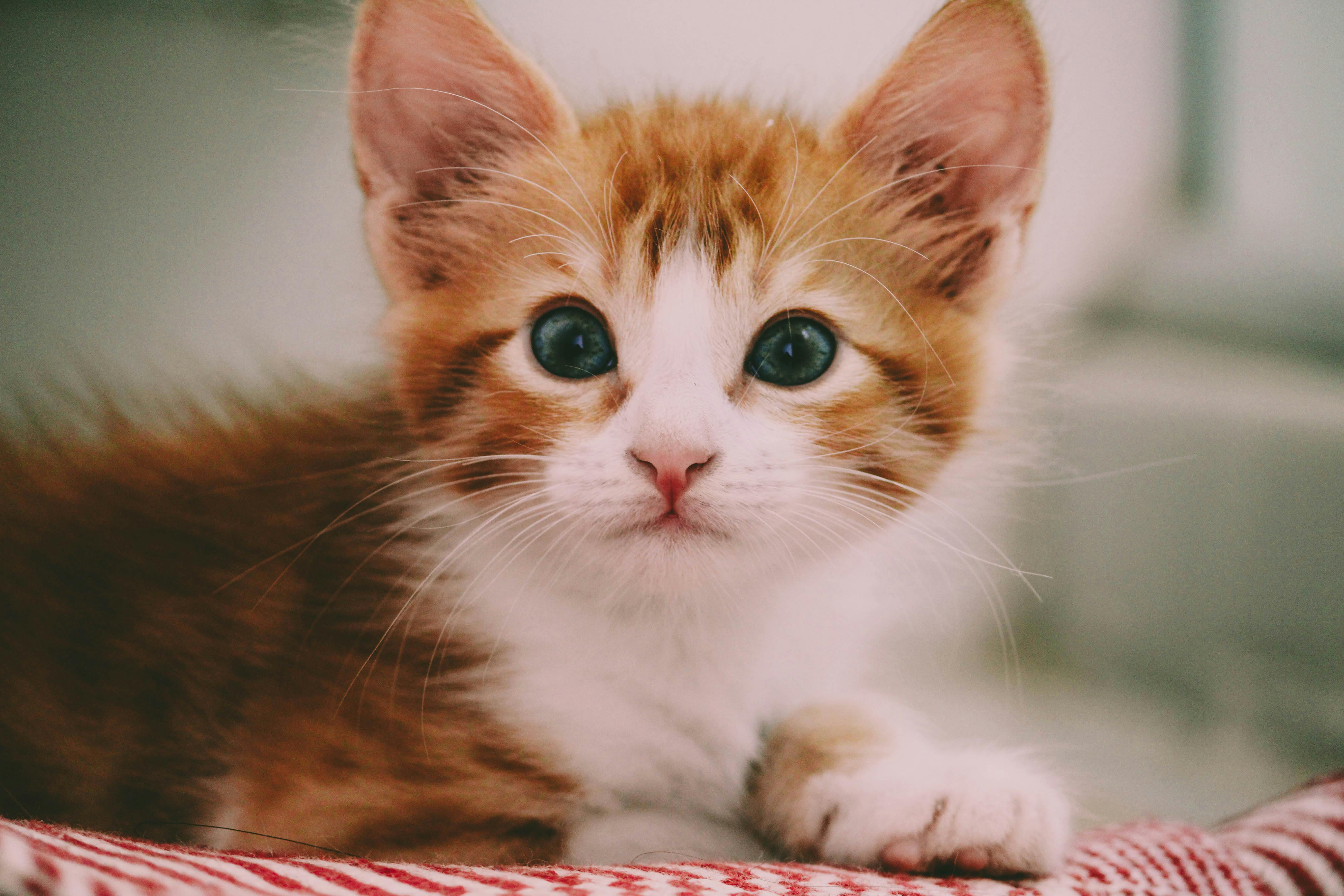
Proper nutrition is critical for your kitten’s growth and development. Kittens have different nutritional needs than adult cats, requiring more protein, calories, and specific nutrients to support their rapid growth and development.
Nutritional Requirements
What to Look For
- High-quality animal protein as first ingredient (chicken, fish, turkey)
- Specifically formulated for kittens – look for “complete and balanced for growth”
- DHA for brain and vision development
- Balanced calcium and phosphorus for bone growth
- Appropriate calorie density for growth needs
- Taurine, an essential amino acid for cats
- Antioxidants to support developing immune systems
What to Avoid
- Adult cat food (inadequate nutrition for growing kittens)
- Food with artificial colors, flavors, or preservatives
- Excessive carbohydrates and fillers
- Raw diets without veterinary guidance (risk of pathogens)
- Cow’s milk (can cause digestive issues as kittens lack lactase enzyme)
- Foods containing onion, garlic, or excessive fish (can cause health issues)
Vaccination Schedule: Protecting Your Kitten
Vaccinations are essential for protecting your kitten against serious diseases. Following an appropriate vaccination schedule helps ensure your kitten develops immunity against common feline illnesses. Here’s a typical vaccination schedule:
| Age | Vaccine | Purpose |
|---|---|---|
| 6-8 weeks | FVRCP (First dose) | Protects against feline viral rhinotracheitis, calicivirus, and panleukopenia (feline distemper) |
| 10-12 weeks | FVRCP (Second dose) | Boosts immunity from first vaccination; may include feline leukemia vaccine for at-risk kittens |
| 14-16 weeks | FVRCP (Third dose) | Final booster for core protection; may include rabies vaccine depending on local laws |
| 12-16 weeks | Rabies | Required by law in most areas; protects against rabies virus |
| As recommended | FeLV (Feline Leukemia) | For at-risk cats (outdoor access or multi-cat households); typically starts at 8-12 weeks |
Veterinary Consultation
Always consult with your veterinarian to determine the best vaccination schedule for your kitten. Factors like health status, environment, lifestyle (indoor vs outdoor), and local disease prevalence may affect the recommended protocol. Your veterinarian will perform a health examination before vaccinations to ensure your kitten is healthy enough to receive them. Keep a record of all vaccinations and follow up with booster shots as recommended.
Socialization and Training
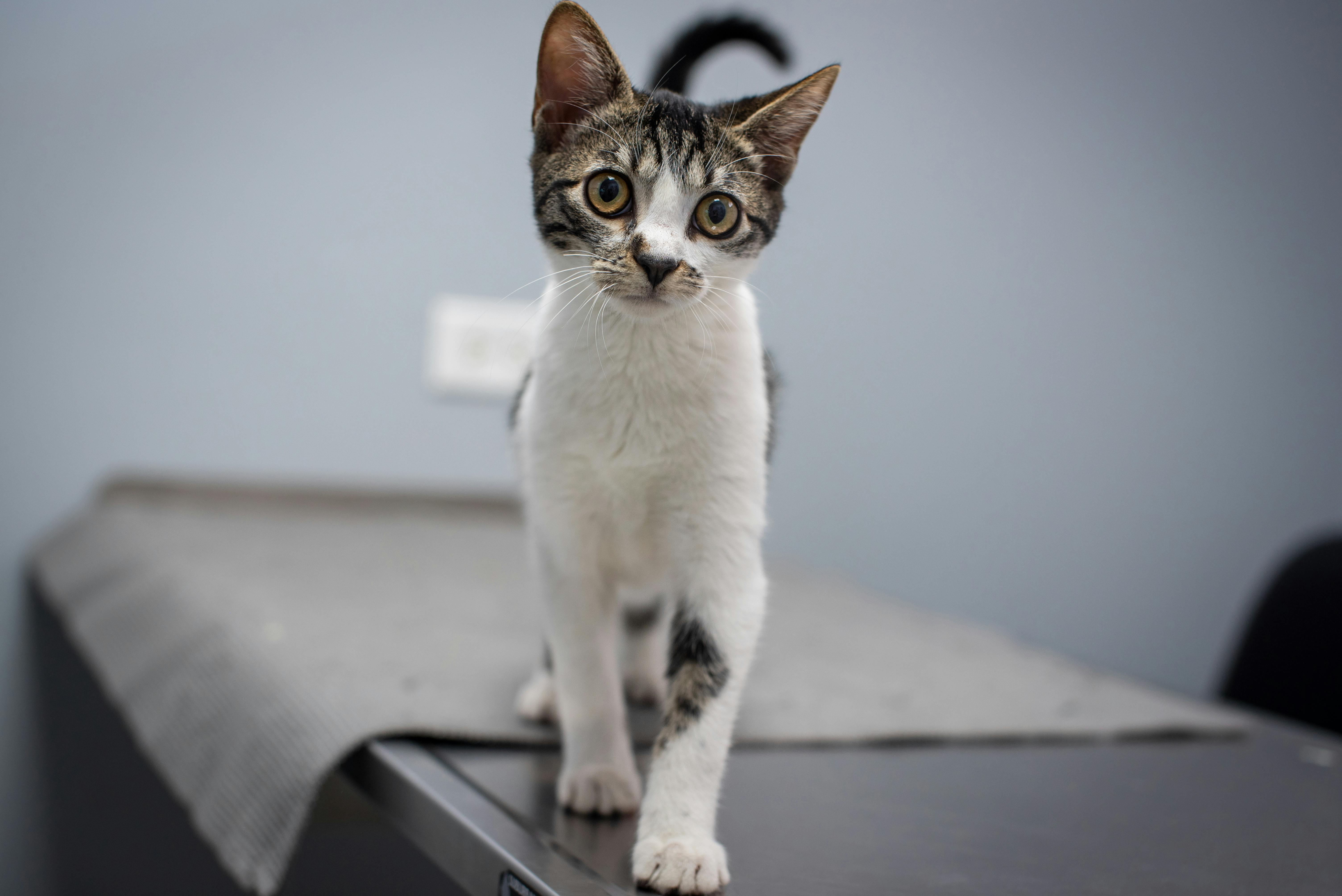
The early weeks are critical for socialization. Between 2 and 7 weeks of age, kittens go through a sensitive socialization period where positive experiences can shape their future temperament and behavior. Proper socialization helps create a well-adjusted adult cat that is comfortable with various people, animals, and environments.
Handling and Touch
- Gently handle paws regularly to prepare for future nail trims
- Touch ears and mouth to acclimate to future vet exams and teeth brushing
- Brush gently with soft brush to create positive grooming experiences
- Introduce handling by different family members including children
- Practice holding in different positions including on their back
- Gradually introduce grooming tools like combs and nail clippers
Environmental Exposure
- Introduce various household sounds gradually (vacuum, TV, doorbell)
- Provide different textures to walk on (carpet, tile, cardboard, blankets)
- Offer appropriate toys of various types for play and mental stimulation
- Create safe hiding spots and high perches for security
- Introduce carrier as a safe space, not just for vet visits
- Allow exploration of different rooms under supervision
Litter Training
- Provide low-sided litter boxes for easy access
- Use unscented, kitten-safe litter (avoid clumping litter for very young kittens)
- Place kittens in box after meals and naps and when they show signs of needing to eliminate
- Keep boxes extremely clean to encourage use
- Have multiple boxes in multi-kitten households (n+1 rule)
- Place boxes in quiet but accessible locations
Creating a Healthy Foundation
Proper care during the first few months of your kitten’s life sets the foundation for a healthy, happy adulthood. From nutrition to vaccinations to socialization, each aspect of care plays a crucial role in your kitten’s development. The time and effort you invest during these early weeks will pay dividends throughout your cat’s life.
Remember that every kitten is unique, and what works for one may need adjustment for another. Regular veterinary check-ups are essential for monitoring your kitten’s growth and addressing any concerns early. Keep a record of your kitten’s weight, eating habits, and behavior to share with your veterinarian.
Enjoy this special time with your new companion—kittenhood passes quickly, but the bond you form during these early weeks will last a lifetime. With proper care, attention, and lots of love, you’re setting the stage for many happy years with your feline friend.
Recommended Eco-Friendly Cat Litters
After extensive research and testing, we’ve selected these top-rated eco-friendly cat litters that balance sustainability with excellent performance. 🌱

Ökocat Wood Clumping Cat Litter
Perfect for long-haired breeds and cats with allergies. Made from reclaimed wood with superior clumping action.
View on Amazon
Natural Wheat Multi-Cat Litter
Excellent clumping wheat litter that naturally neutralizes odors. Great for multi-cat households.
View on Amazon
Fresh Step Crystals Premium Litter
Long-lasting silica crystals that provide exceptional odor control. Low dust and great for sensitive noses.
View on Amazon
Fresh News Recycled Paper Litter
Eco-friendly litter made from recycled paper. Excellent for post-surgery cats and those with respiratory issues.
View on Amazon
World’s Best Cat Litter Comfort Care
Corn-based litter with excellent clumping and odor control. Flushable and made in the USA.
View on Amazon
World’s Best Lavender Scented Litter
Same great formula with a calming lavender scent. Perfect for multi-cat households needing extra odor control.
View on AmazonDisclosure: We may earn a small commission from purchases made through these links at no extra cost to you. This helps support our site and allows us to continue providing quality content. We only recommend products we truly believe in.