 Photo: Earth Paw Pets
It’s worrying to see your dog uncomfortable, especially when they’re showing signs of pain around their rear end. A sore bum can have various causes, from minor irritations to more serious health issues. This comprehensive guide will help you understand the possible reasons for your dog’s discomfort, how to provide relief, and when it’s time to seek professional veterinary care.
Table of Contents
Why Dogs Get Sore Bottoms
It’s not unusual for a dog to experience discomfort around their back end. A sore bum may look worrying, but in many cases, the cause is treatable. Some reasons are minor, while others need professional care.
Here are the most common causes of soreness in dogs:
Anal Gland Issues
- Dogs have two small glands on either side of their anus
- If they don’t empty properly, the glands may become blocked, infected, or even form an abscess
- Signs include scooting, swelling, and a strong, fishy smell
Worms and Parasites
- Tapeworms, roundworms, and other parasites may irritate the anal area
- You may notice worms in your dog’s stool or around their rear end
Skin Allergies or Irritation
- Dogs with food or environmental allergies may have itchy skin, including around the bum
- Shampoos, cleaning products, or grooming sprays may also cause irritation
Digestive Problems
- Constipation or frequent diarrhea can irritate the anal area
- Dogs that strain when pooping may become sore and inflamed
Infections or Injuries
- Bacterial infections can cause redness and discomfort
- Insect bites or stings may lead to localized swelling
- Small cuts or abrasions can become irritated and painful
Other Potential Causes
- Hot spots or moist dermatitis
- Perianal tumors or growths (more common in older dogs)
- Trauma or injury to the area
Symptoms to Watch Out For
A sore bum can show up in many different ways. Look for these signs:
- Scooting on the floor
- Excessive licking or chewing at the bum
- Swelling or redness around the anus
- Strong or unusual odor
- Discharge, blood, or pus
- Signs of pain when sitting or defecating
- Changes in tail carriage (holding tail differently)
- Reluctance to sit down or apparent discomfort when sitting
If your dog shows several of these symptoms or seems very uncomfortable, it’s time to call your vet.
What You Can Do at Home
While you’re arranging a vet visit, there are small things you can do to help keep your dog comfortable:
Keep the Area Clean
- Gently clean with warm water and soft cloths or pet-safe wipes
- Pat dry rather than rubbing to avoid further irritation
- Avoid harsh soaps or human products
Prevent Further Irritation
- Discourage licking with a cone if your dog won’t leave the area alone
- Keep your dog’s living area clean to prevent bacterial contamination
- Provide soft bedding to reduce discomfort when lying down
Dietary Support
- Offer easy-to-digest meals if your dog’s stomach is upset
- Consider adding plain canned pumpkin (not pie filling) for fiber
- Encourage drinking water to prevent constipation
Safe Comfort Measures
- Apply a cool compress (not ice) to reduce swelling
- Use pet-safe soothing products recommended by your vet
- Limit vigorous activity that might cause further irritation
Prevention Tips
You can reduce the chance of your dog getting a sore bum with a few simple habits:
- Keep up with regular deworming treatments as recommended by your vet
- Feed a balanced diet with adequate fiber to promote healthy digestion
- Take your dog for regular vet checkups, including anal gland checks if needed
- Maintain good hygiene after walks and play
- Regular grooming, especially for long-haired breeds
- Provide plenty of fresh water to support overall health
- Monitor your dog’s stool quality and frequency
When to Call the Vet
Contact your vet if you notice any of the following signs:
- Persistent scooting or licking for more than 1-2 days
- Visible swelling, bleeding, or pus around the anal area
- Worms in your dog’s stool or around their rear end
- Signs of pain when sitting or going to the bathroom
- Loss of appetite, fever, or lethargy accompanying the symptoms
- Difficulty defecating or changes in bowel movements
- Foul odor that doesn’t improve with cleaning
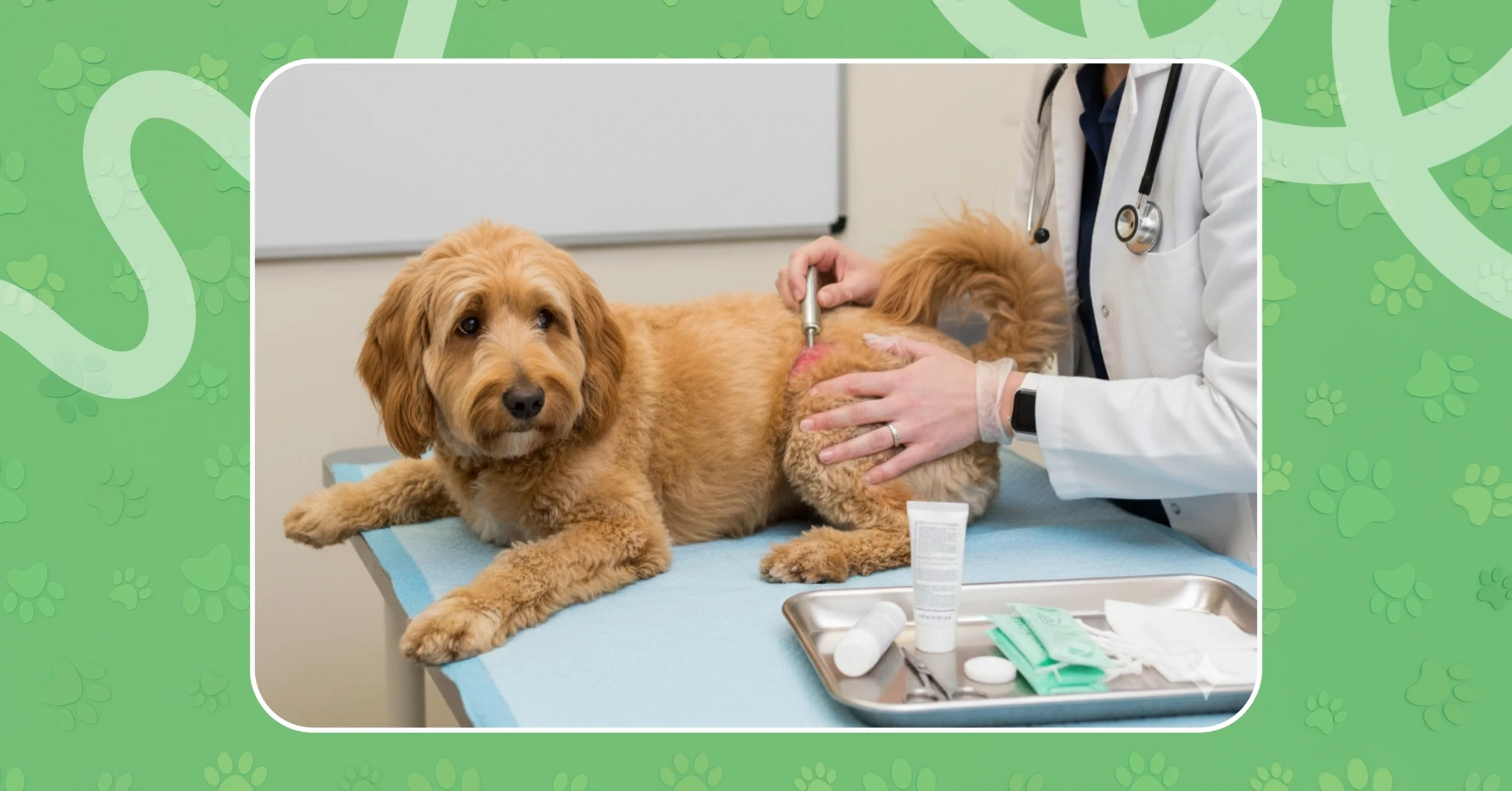
Prompt treatment can prevent serious complications like infections or abscesses. Your vet can properly diagnose the issue and provide appropriate treatment, which may include expressing anal glands, prescribing medications, or recommending dietary changes.
FAQs
Can I put cream on my dog’s sore bum?
Only if it’s prescribed or recommended by your veterinarian. Many human creams contain ingredients that are dangerous for dogs. Some human medications like hydrocortisone can be toxic if ingested when your dog licks the area.
Why does my dog scoot on the carpet?
Scooting is often caused by full anal glands, worms, or irritation. The action is an attempt to relieve discomfort or itchiness in the anal area. A vet visit can identify the exact cause and appropriate treatment.
Will changing food help?
Sometimes. Adding fiber to your dog’s diet can help with constipation or anal gland issues, but you should always talk with your vet before changing your dog’s diet. They can recommend appropriate dietary adjustments based on your dog’s specific needs.
How do vets treat sore bottoms?
Treatment depends on the underlying cause but may include expressing anal glands, giving antibiotics for infections, prescribing anti-parasitic medications, recommending dietary changes, or in some cases, minor surgical procedures for persistent issues.
Final Thoughts
A sore bum is uncomfortable for your dog and worrying for you, but most cases are treatable. By watching for early signs, keeping your dog clean and healthy, and seeking veterinary care when needed, you’ll help your dog stay comfortable and happy.