
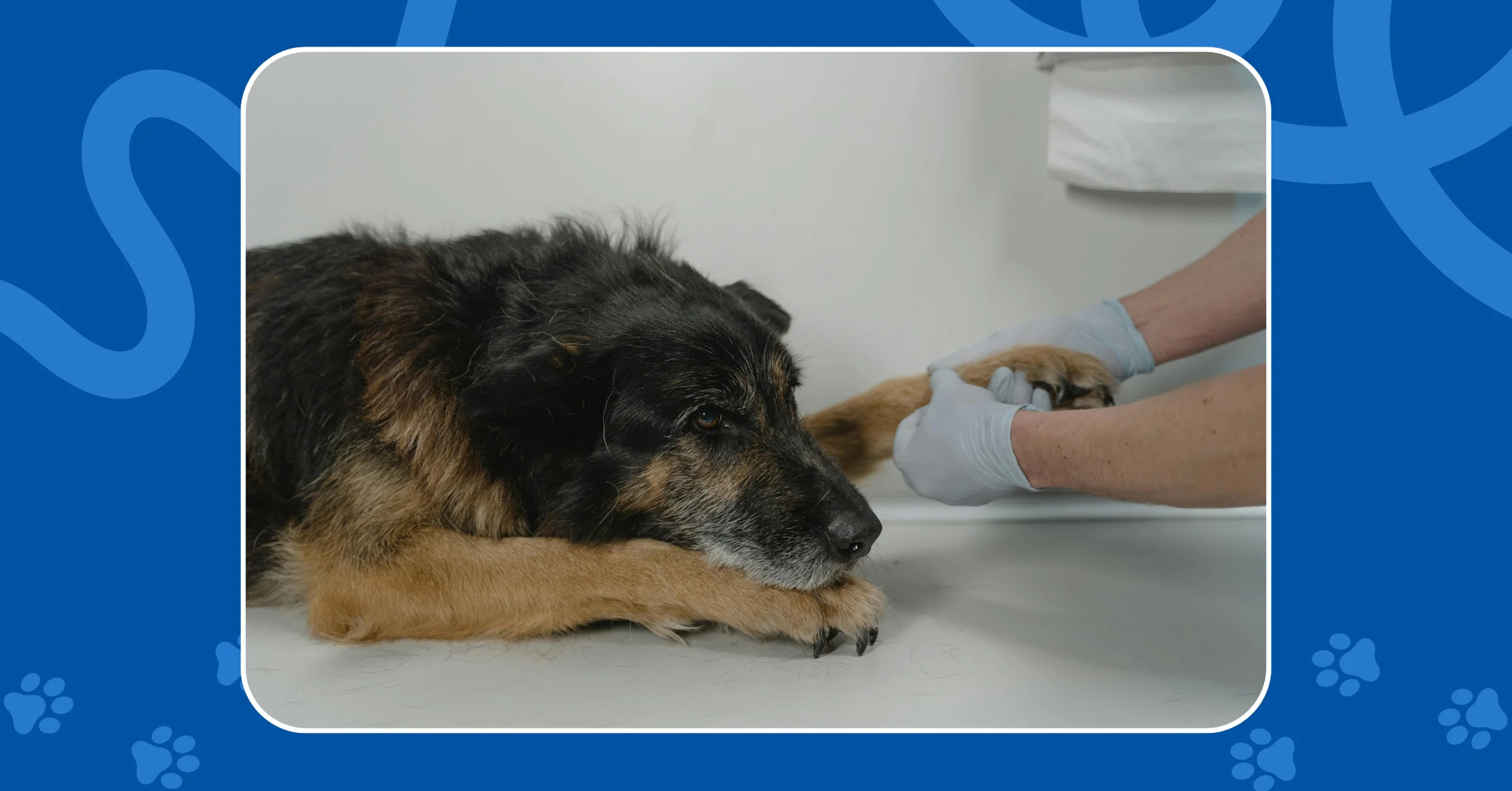
As pet owners, one of our biggest challenges is understanding when our furry friends need professional medical attention. Pets can’t tell us when they’re feeling unwell, so it’s crucial to recognize the signs that indicate a trip to the vet is necessary. This comprehensive guide will help you distinguish between urgent symptoms that require immediate care and those that might allow for watchful waiting.
Urgent vs. Watch-and-Wait: Recognizing Pet Health Emergencies
Before we explore specific symptoms, it’s important to recognize that knowing what’s normal for your pet is the first step in identifying what’s not. Each animal has unique habits, energy levels, and behaviors. Changes in these patterns often provide the earliest clues that something might be wrong.
Keep a mental note of your pet’s typical appetite, water consumption, energy levels, sleeping patterns, and bathroom habits. Sudden changes in any of these areas can signal health issues that may require veterinary attention. For instance, a normally energetic dog that suddenly becomes lethargic or a cat that typically has a healthy appetite but begins refusing food could be showing early signs of illness.
Urgent Symptoms: When to Seek Immediate Care
Some symptoms always warrant immediate veterinary attention. If your pet displays any of the following signs, contact your vet or emergency animal hospital right away. Time is often critical in these situations, and delaying care could lead to serious complications or even be life-threatening for your pet.
Rapid breathing, wheezing, choking, or struggling to breathe.
Action: Seek emergency care immediately.
Bleeding that doesn’t stop within 5 minutes or significant blood loss.
Action: Apply pressure and go to vet immediately.
Sudden inability to stand or loss of consciousness.
Action: Emergency vet visit required.
Convulsions, tremors, or involuntary movements.
Action: Emergency care needed, especially if prolonged or multiple seizures.
Whining, trembling, refusal to move, or aggression when touched.
Action: Immediate veterinary attention required.
Swollen stomach that feels hard to the touch, especially with retching.
Action: Potential emergency – contact vet immediately.
Straining to urinate with little or no output.
Action: Emergency situation – seek immediate care.
Excessive panting, drooling, bright red gums, weakness.
Action: Cool your pet gradually and seek immediate veterinary care.
Exposure to toxins, chemicals, or toxic foods.
Action: Contact animal poison control and vet immediately.
Cloudiness, swelling, discharge, or apparent eye pain.
Action: Seek urgent care to prevent vision loss.
Emergency Preparedness
Keep your veterinarian’s phone number and the address of the nearest emergency animal hospital readily available. Consider saving these contacts in your phone and posting them on your refrigerator. Prepare a pet first-aid kit with essentials like gauze, adhesive tape, antiseptic wipes, and a digital thermometer. Knowing where to go and what to do in an emergency can save critical time when your pet needs urgent care.
Watch-and-Wait Symptoms: Monitoring at Home
Some symptoms may not require immediate emergency care but should be monitored closely. If these persist or worsen, schedule a veterinary appointment. Understanding which symptoms fall into this category can help you avoid unnecessary emergency visits while still ensuring your pet receives appropriate care in a timely manner.
Occasional vomiting or diarrhea without other symptoms.
Monitoring: Withhold food for 12-24 hours, then reintroduce bland diet.
Skipping a meal but otherwise acting normally.
Monitoring: Monitor for 24 hours if no other symptoms present.
Favoring a limb but still bearing some weight.
Monitoring: Restrict activity and monitor for 24-48 hours.
Small areas of redness, minor itching or hair loss.
Monitoring: Monitor for spreading or worsening over 2-3 days.
Infrequent cough without breathing difficulties.
Monitoring: Watch for frequency increase or development of other symptoms.
Mild changes in activity level or interactions.
Monitoring: Note duration and any patterns for discussion with vet.
When to Upgrade from “Watch” to “Urgent”
Any watch-and-wait symptom that persists for more than 48 hours, worsens, or is accompanied by other symptoms should prompt a veterinary visit. Trust your instincts—you know your pet better than anyone. If something feels wrong, it’s always better to err on the side of caution.
Species-Specific Warning Signs
While many symptoms are similar across species, some warning signs are specific to certain types of pets. Understanding these species-specific indicators can help you provide better care for your animal companion.
Dogs
- Excessive head shaking or ear scratching (possible ear infection)
- Scooting or dragging rear end (anal gland issues or parasites)
- Drinking excessive amounts of water (possible diabetes or kidney issues)
- Sudden weight gain or loss (metabolic or thyroid problems)
- Unusual aggression or fearfulness (pain or neurological issues)
- Persistent licking of paws or other areas (allergies or pain)
- Difficulty rising or climbing stairs (arthritis or joint problems)
- Excessive panting when not hot or exercised (pain or respiratory issues)
Cats
- Hiding for extended periods (illness or pain)
- Changes in litter box habits (UTI, kidney issues, or diabetes)
- Excessive grooming or lack of grooming (stress or dental problems)
- Vocalizing more than usual (pain, disorientation, or hyperthyroidism)
- Sudden avoidance of petting or handling (pain or neurological issues)
- Straining in litter box with little output (potentially fatal urinary blockage)
- Third eyelid showing (illness or eye problems)
- Changes in usual sleeping spots or patterns (discomfort or illness)
Creating a Pet Health Journal
When monitoring symptoms at home, keeping a simple health journal can be incredibly helpful for both you and your veterinarian. This record can provide valuable clues about patterns, triggers, and the progression of symptoms that might otherwise be forgotten or overlooked.
Consider tracking the following information:
- When symptoms first appeared and how they’ve progressed
- Frequency, duration, and intensity of symptoms
- Any changes in appetite, water consumption, or eating habits
- Bathroom habits and changes in waste appearance
- Energy level fluctuations throughout the day
- Behavior changes and mood alterations
- Any potential exposures to toxins, new foods, or environmental changes
This information can help your veterinarian make a more accurate diagnosis and determine the urgency of the situation.
When to Call Your Vet
If you’re unsure whether your pet’s symptoms require urgent attention, call your veterinarian’s office. Many clinics offer phone consultations or can advise you on whether your pet needs to be seen immediately. When calling, be prepared to describe the symptoms clearly, including when they started, their frequency and severity, and any other changes you’ve noticed.
Preventive Care: Reducing Emergency Visits
While some emergencies are unavoidable, regular preventive care can help reduce the likelihood of many health issues. Establishing a proactive healthcare routine for your pet can potentially prevent minor issues from developing into serious conditions.
- Schedule annual wellness exams for adult pets and semi-annual for seniors
- Stay current on vaccinations and parasite prevention
- Maintain a healthy diet and appropriate exercise routine
- Pet-proof your home to prevent accidents and toxin exposure
- Address minor health concerns before they become major issues
- Establish a dental care routine to prevent periodontal disease
Regular preventive care not only helps keep your pet healthy but also establishes a baseline of what’s normal for your animal. This makes it easier to recognize when something is wrong.