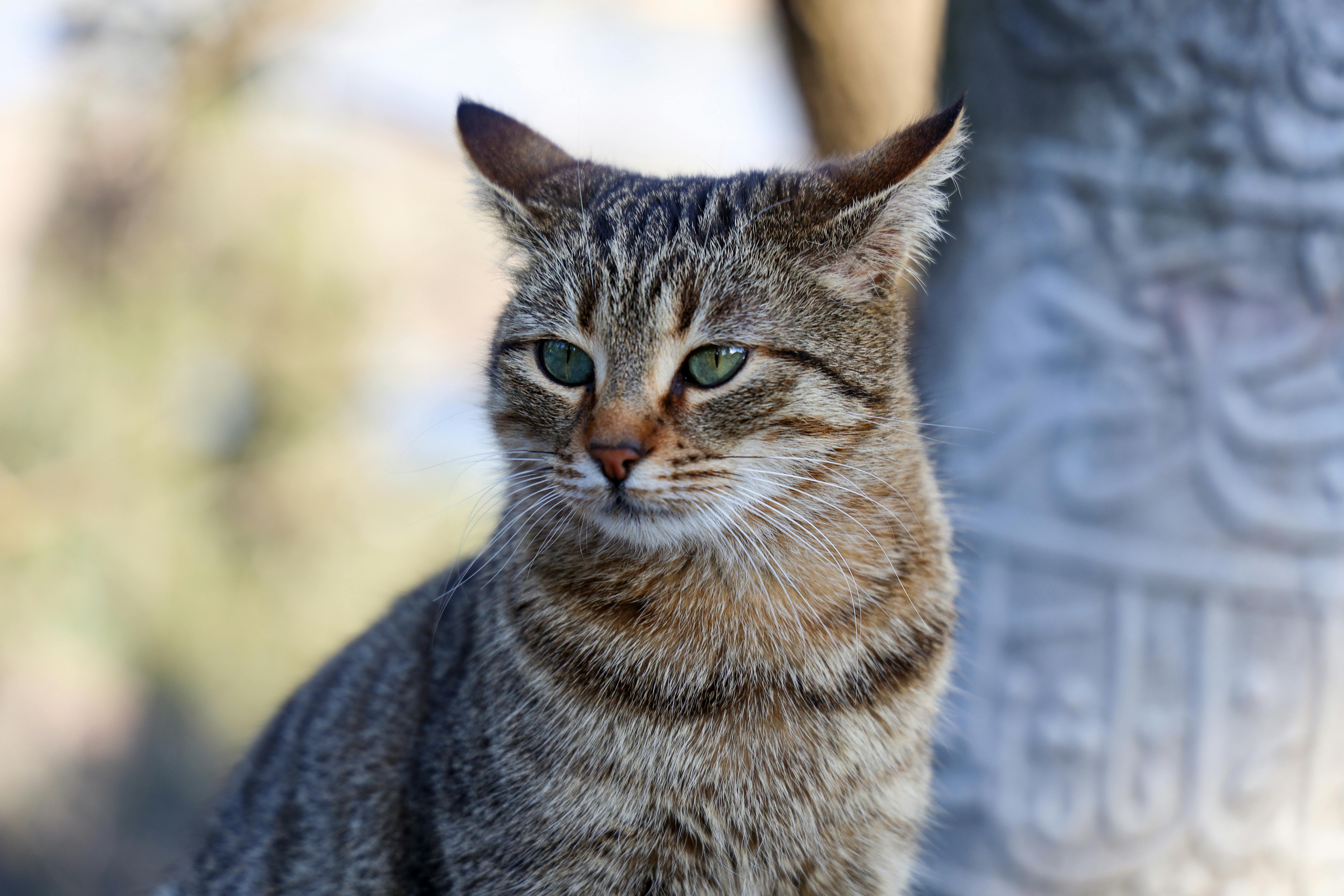
 Senior cats need special care and attention as they age
Photo: Pixabay / Pexels : Rasul Yarichev 🇦🇪
Sarah had always been an attentive cat owner, but when her 14-year-old tabby Whiskers started showing subtle changes, she almost dismissed them as normal aging. “He was drinking more water and choosing new sleeping spots around the house,” she explains. “I felt something was off, but I never imagined it could be kidney disease.”
It was during Whiskers’ annual check-up that the veterinarian detected early kidney issues. “That visit was a wake-up call,” Sarah admits. “I learned that senior cats have their own quiet way of telling us something’s wrong, and we need to be listening carefully.”
Inspired by Sarah’s experience and the lessons she learned, we’ve compiled these 10 essential health tips to help your senior cat age gracefully and comfortably.
Table of Contents
1. Regular Veterinary Check-ups – Senior Cat Health Tip #1
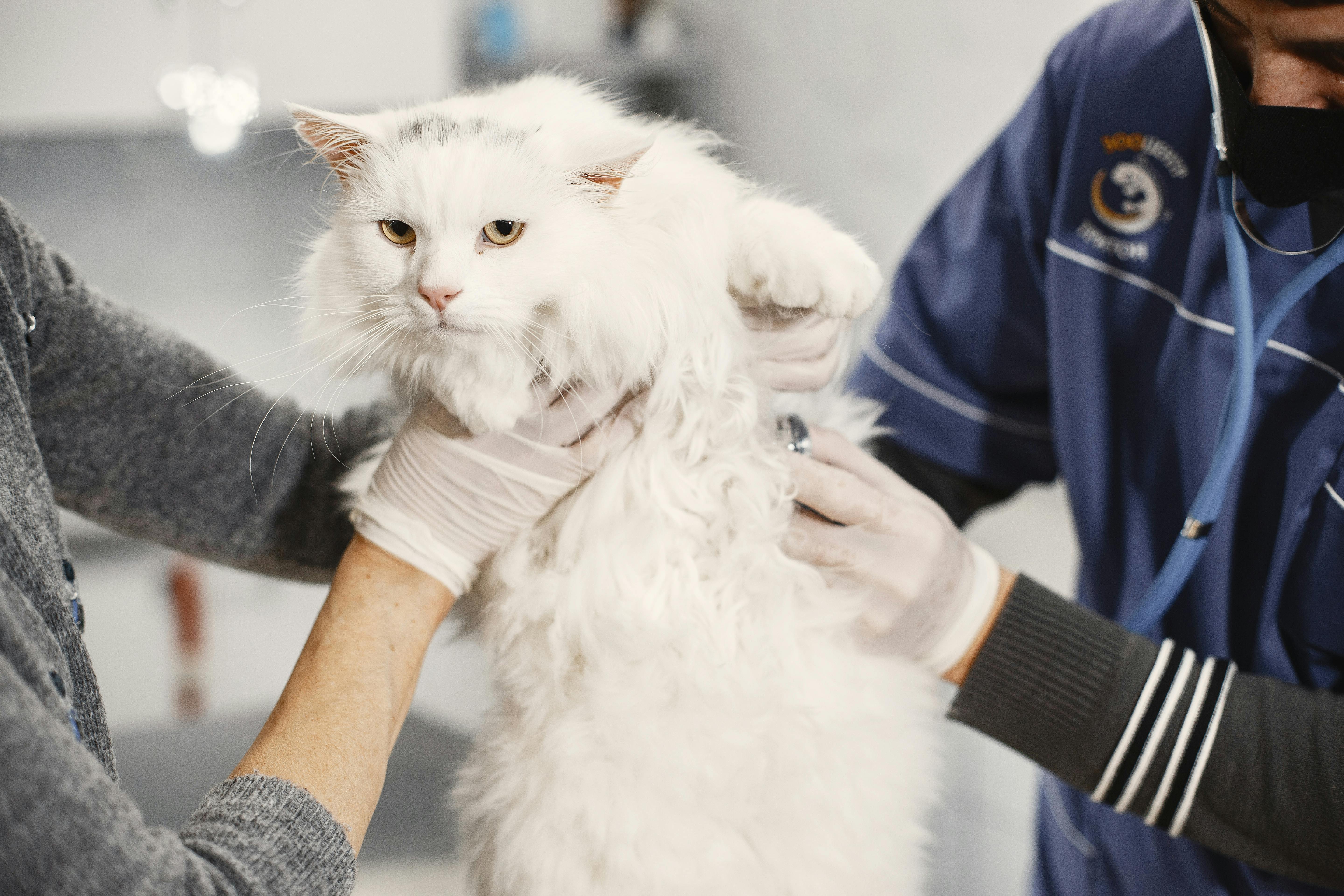 Regular vet visits are crucial for detecting age-related health issues early
Photo: Gustavo Fring / Pexels
What it is: More frequent veterinary visits to monitor age-related health changes
Why it matters: Early detection of common senior cat issues like kidney disease, hyperthyroidism, and arthritis
- Schedule check-ups every 6 months instead of annually
- Request blood work to monitor kidney and thyroid function
- Discuss any behavior changes with your vet
- Keep a health journal to track symptoms between visits
2. Proper Senior Cat Nutrition – Senior Cat Health Tip #2
What it is: Age-appropriate diet tailored to your cat’s changing nutritional needs
Why it matters: Senior cats have different protein, fat, and nutrient requirements than younger cats
- Choose high-quality senior cat food with appropriate protein levels
- Consider prescription diets if your cat has specific health issues
- Feed smaller, more frequent meals to aid digestion
- Monitor weight and adjust portions as needed
3. Hydration Management – Senior Cat Health Tip #3
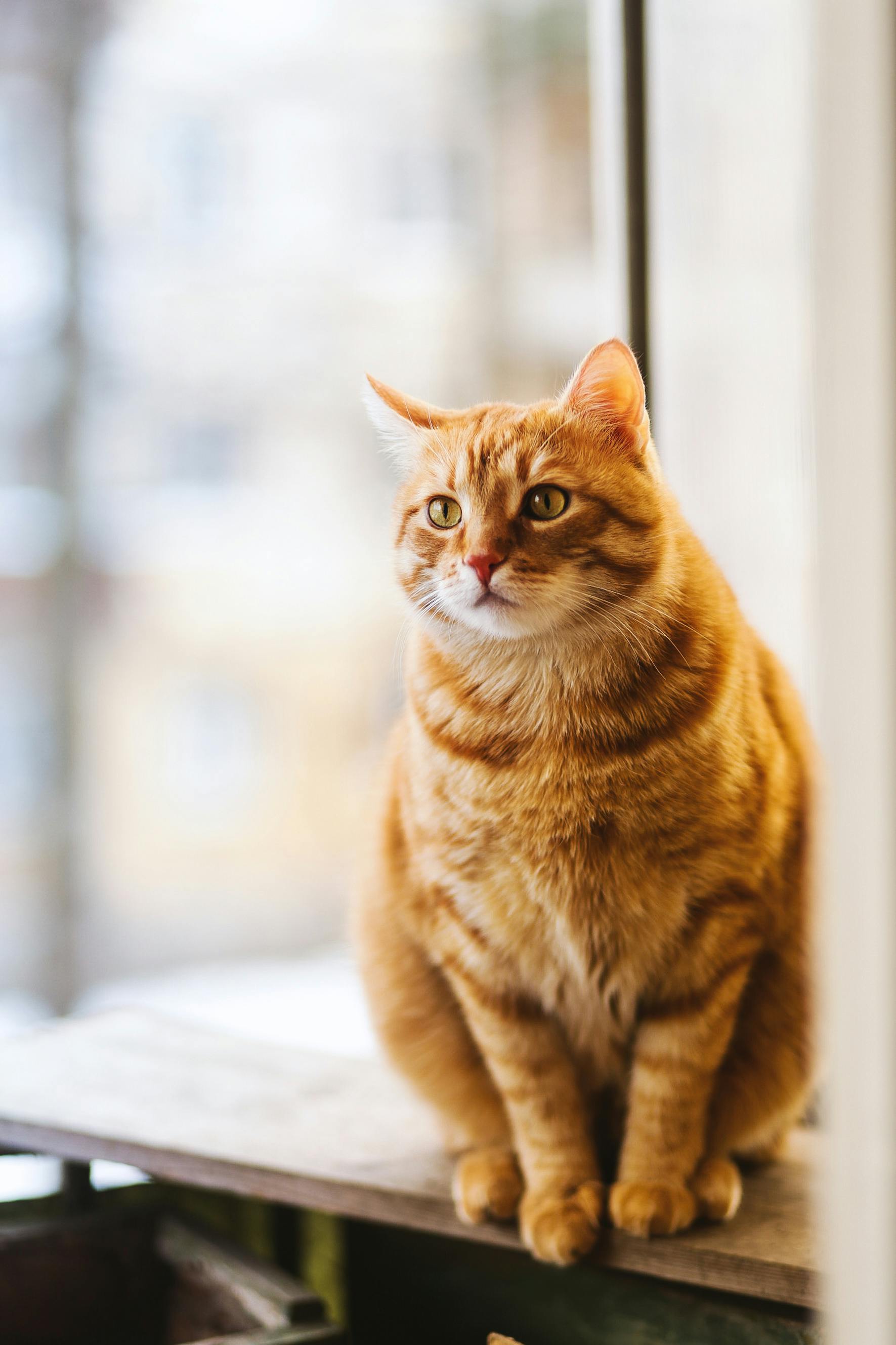 Proper hydration is essential for kidney health in older cats
Photo: Pixabay / Pexels
What it is: Ensuring your senior cat gets adequate water intake
Why it matters: Dehydration can worsen kidney issues and lead to urinary tract problems
- Provide multiple water stations around your home
- Consider a cat water fountain to encourage drinking
- Add water to wet food to increase moisture intake
- Monitor water consumption and report changes to your vet
4. Dental Health Care – Senior Cat Health Tip #4
What it is: Maintaining oral health through regular care and monitoring
Why it matters: Dental issues can cause pain, affect eating, and lead to systemic health problems
- Schedule annual dental check-ups with your vet
- Watch for signs of dental pain like drooling or pawing at mouth
- Provide dental treats or toys approved by your veterinarian
- Brush teeth regularly if your cat tolerates it
5. Weight Management – Senior Cat Health Tip #5
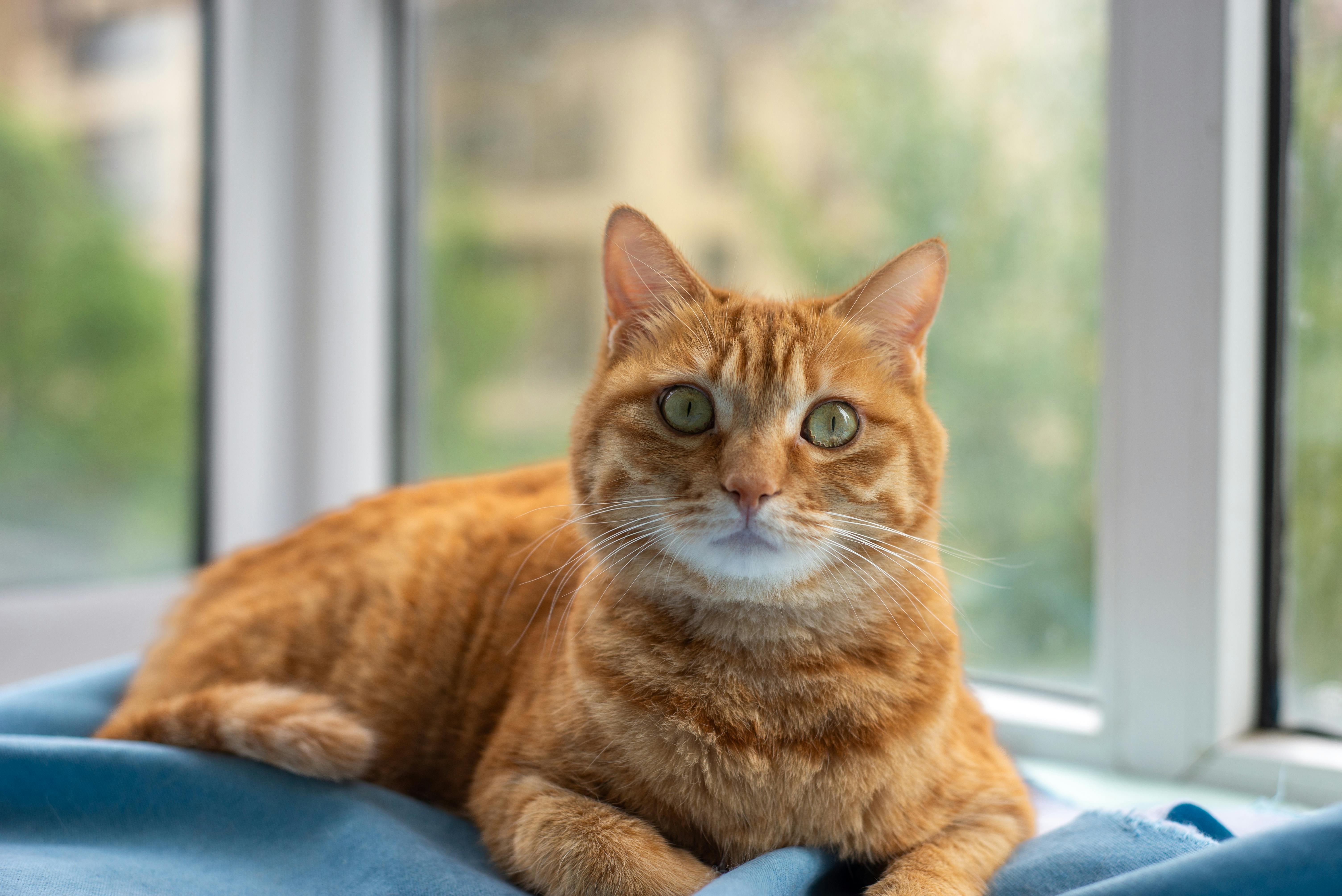 Maintaining healthy weight reduces stress on joints and organs
Photo: 大 董 / Pexels
What it is: Monitoring and maintaining your cat’s ideal body weight
Why it matters: Obesity strains joints and organs, while sudden weight loss can indicate serious health issues
- Weigh your cat monthly and track changes
- Adjust food portions based on activity level and age
- Consult your vet before starting any weight loss program
- Be alert to sudden weight changes and report them immediately
6. Joint and Mobility Support – Senior Cat Health Tip #6
What it is: Helping your cat stay mobile and comfortable as joints age
Why it matters: Arthritis is common in senior cats and can significantly impact quality of life
- Provide steps or ramps to favorite high places
- Use orthopedic beds for joint support
- Keep litter boxes with low entry points
- Ask your vet about joint supplements or medications
7. Mental Stimulation – Senior Cat Health Tip #7
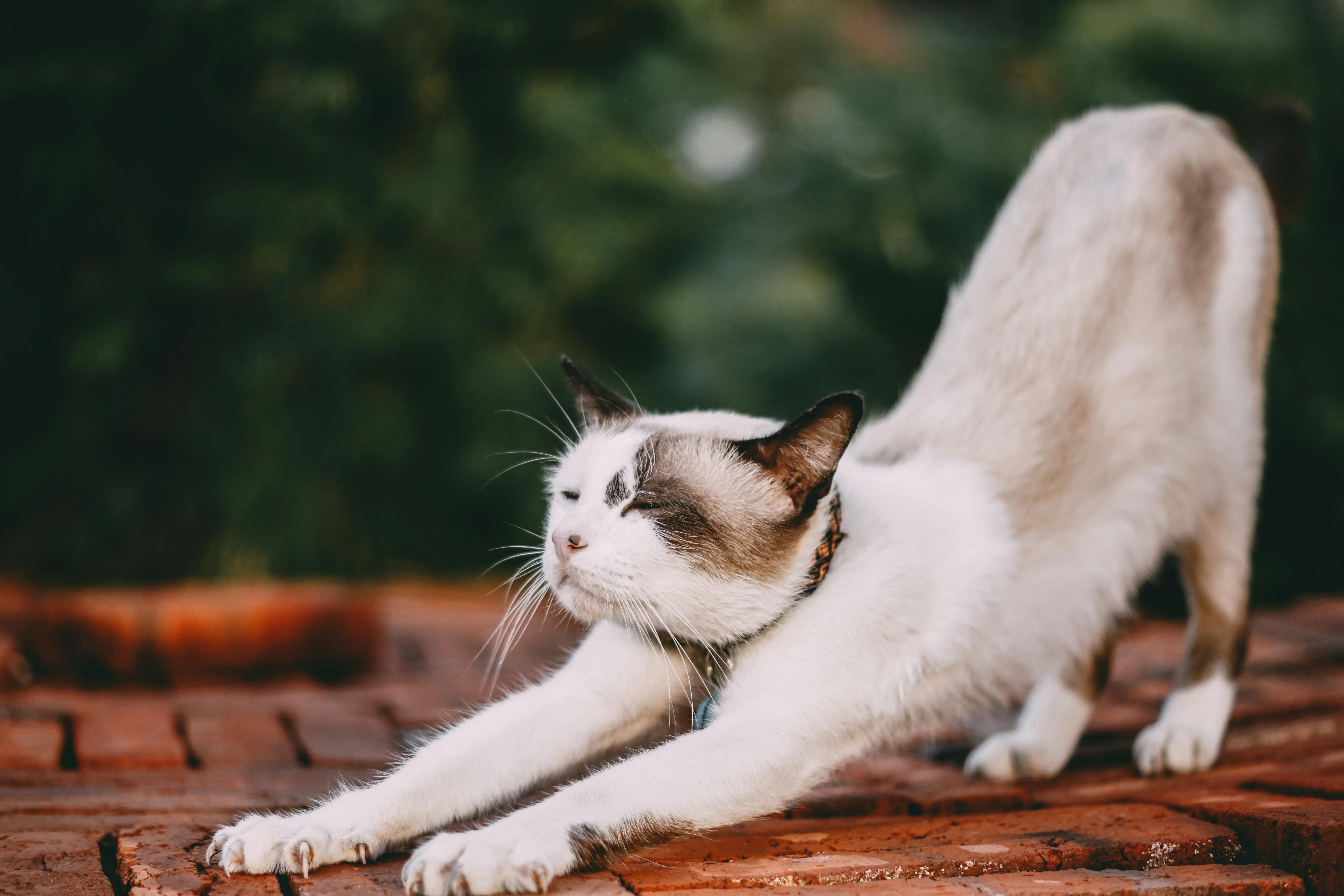 Mental engagement helps maintain cognitive function in aging cats
Photo: Krystian Tambur / Pexels
What it is: Keeping your cat’s mind active and engaged
Why it matters: Mental stimulation can slow cognitive decline and prevent boredom
- Rotate toys to maintain interest
- Use puzzle feeders for meals
- Provide window perches for bird watching
- Engage in gentle play sessions daily
8. Grooming Assistance – Senior Cat Health Tip #8
What it is: Helping your cat maintain coat health as self-grooming ability declines
Why it matters: Poor grooming can lead to mats, skin issues, and discomfort
- Brush your cat regularly to prevent mats
- Check for lumps, bumps, or skin changes during grooming
- Keep grooming sessions short and positive
- Wipe eyes and clean ears as needed
9. Environmental Comfort – Senior Cat Health Tip #9
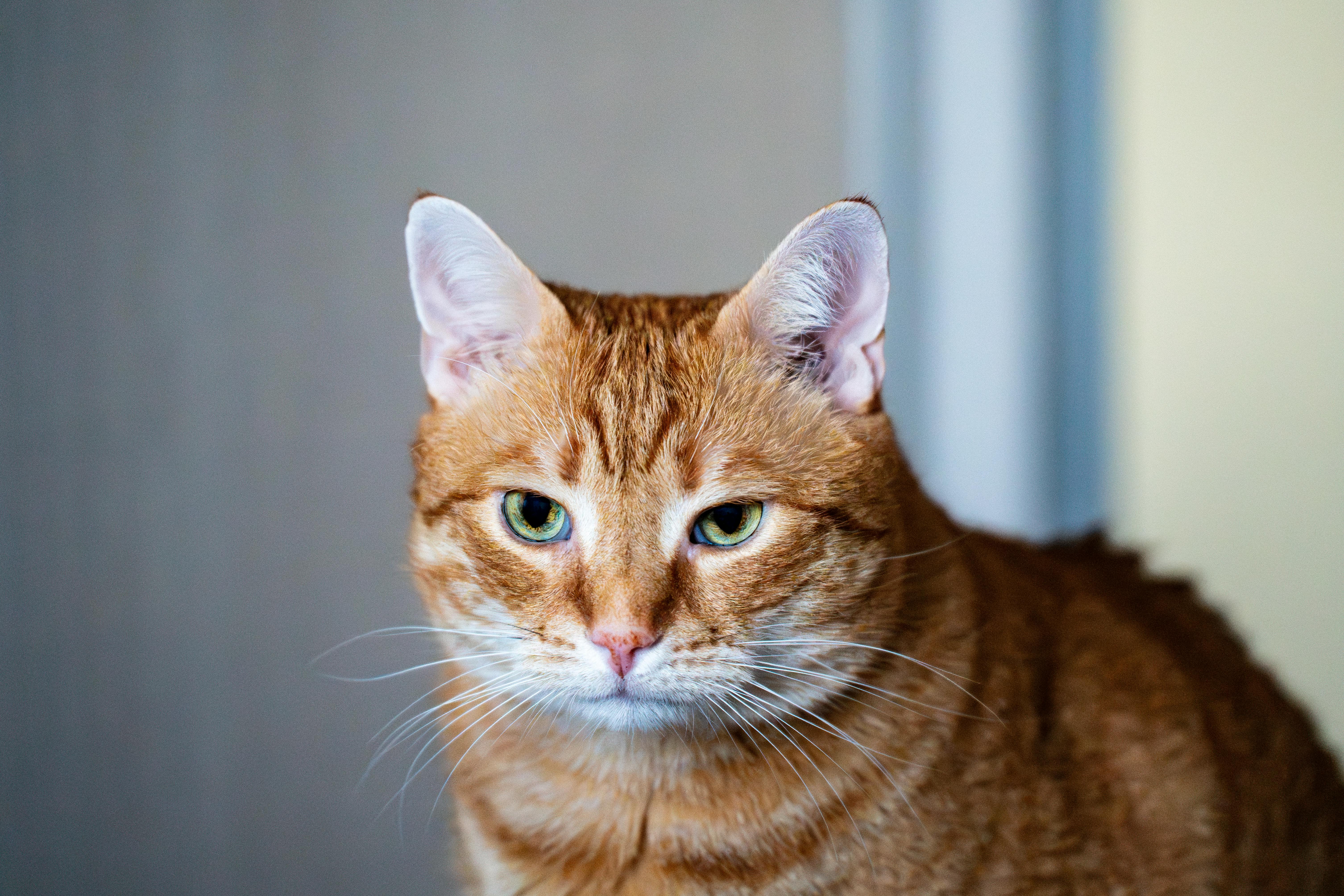 Creating a comfortable environment supports overall wellbeing
Photo: Michał Robak / Pexels
What it is: Adapting your home to meet your senior cat’s changing needs
Why it matters: Comfortable environments reduce stress and support aging bodies
- Provide warm, draft-free sleeping areas
- Ensure easy access to food, water, and litter boxes
- Use night lights to help vision-impaired cats navigate
- Create quiet retreat spaces away from household noise
10. Monitoring Behavior Changes – Senior Cat Health Tip #10
What it is: Being attentive to changes in behavior, habits, or routines
Why it matters: Behavior changes are often the first sign of health issues in cats
- Track changes in appetite, thirst, or litter box habits
- Note any changes in vocalization, sleep patterns, or activity levels
- Watch for signs of confusion or disorientation
- Document changes to share with your veterinarian
When to Contact Your Veterinarian
Contact your vet immediately if you notice: sudden weight loss, changes in water consumption, difficulty urinating or defecating, significant behavior changes, vomiting or diarrhea, breathing difficulties, or any signs of pain or distress.
Creating a Senior Cat Care Plan
Caring for a senior cat requires attention to detail and regular monitoring. By implementing these 10 health tips, you’re not just addressing individual needs—you’re creating a comprehensive care plan that supports your cat’s overall wellbeing through their golden years.