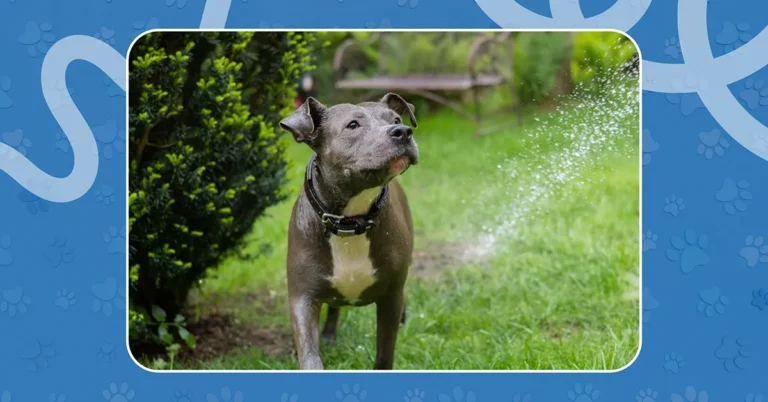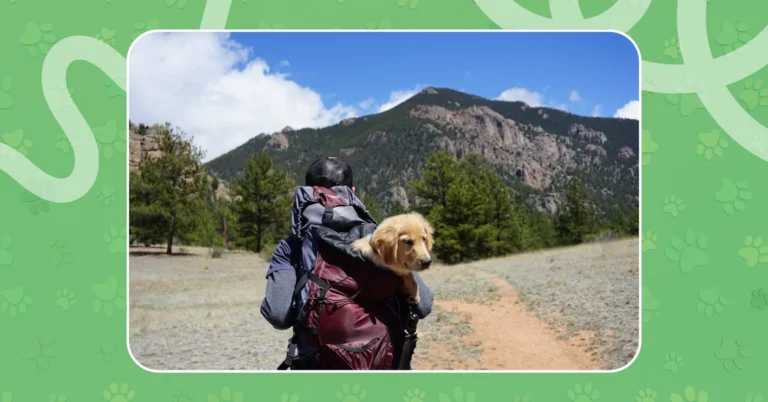
 Keeping senior dogs active with gentle, appropriate exercises
Photo: Pexels
When my 12-year-old Labrador, Buddy, started slowing down on our usual walks, I worried he was becoming a couch potato. But then I discovered that senior dogs don’t need to stop exercising—they just need different kinds of movement. Watching Buddy light up during our new gentle water sessions and sniff-filled “adventure walks” taught me that aging doesn’t mean the end of activity, just the beginning of smarter, more thoughtful exercise.
At Earth Paw Pets, we’ve worked with canine rehabilitation specialists to create this guide to help your senior dog stay active, healthy, and engaged through their golden years.
Table of Contents
Why Exercise Matters for Senior Dogs
Regular, appropriate exercise helps senior dogs maintain muscle mass, joint flexibility, and healthy weight. It also provides mental stimulation and can reduce anxiety and behavioral issues. The key is finding the right balance—too little activity leads to stiffness and weight gain, while too much can cause pain and injury.
Benefits of Senior Exercise
- Maintains joint flexibility and range of motion
- Supports healthy weight management
- Improves circulation and cardiovascular health
- Reduces anxiety and boredom
- Strengthens the bond between you and your dog
Exercise Adjustments Needed
- Shorter, more frequent sessions
- Lower impact activities
- More rest periods
- Attention to weather conditions
- Regular vet check-ups
1. Modified Walking Routines – Senior Exercise #1
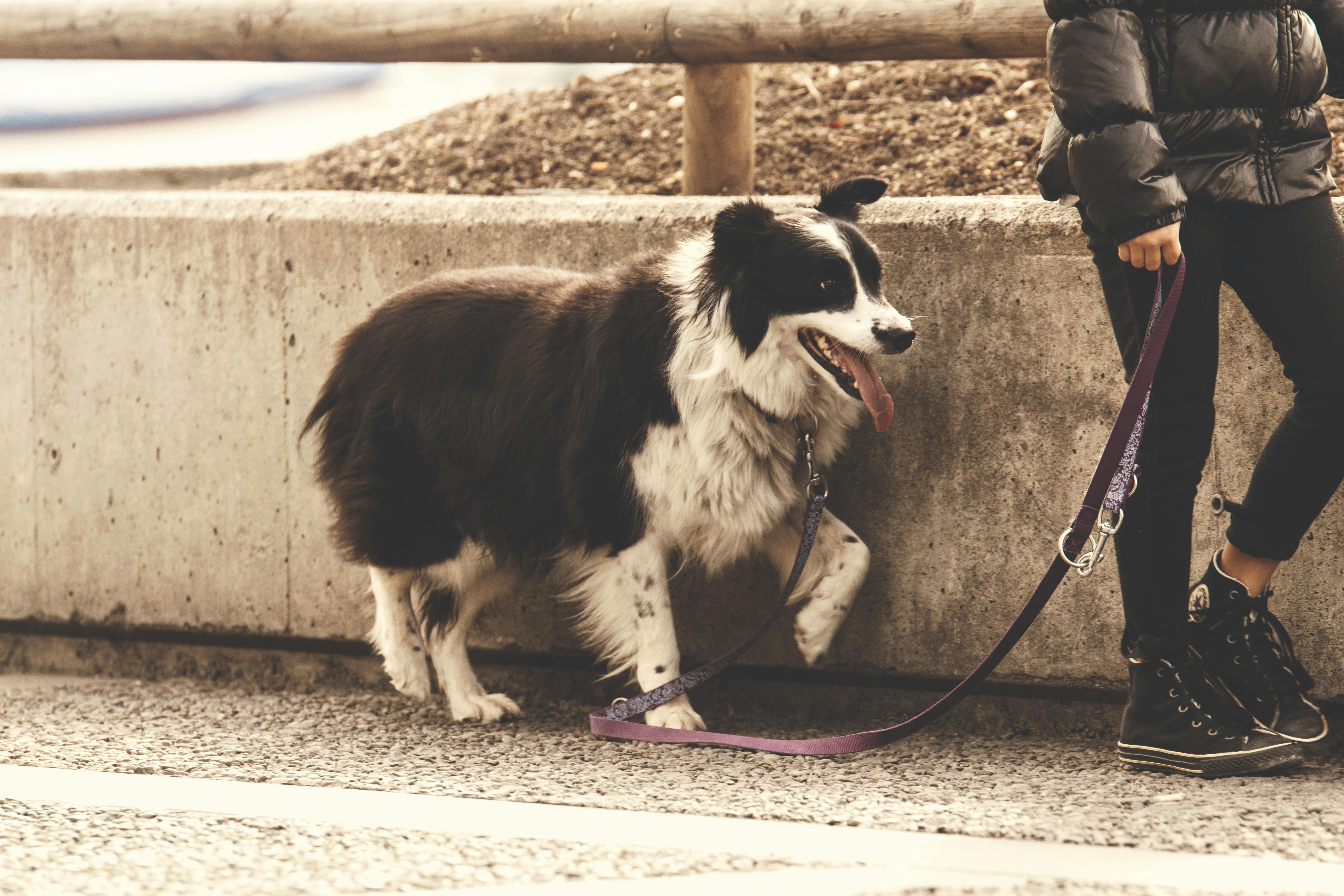 Short, frequent walks are perfect for senior dogs
Photo: Lum3n / Pexels
What it is: Shorter, slower walks focused on enjoyment rather than distance
Why it works: Provides joint-friendly movement and mental stimulation without overexertion
- Walk on soft surfaces like grass or dirt trails
- Keep walks to 10-15 minutes, 2-3 times daily
- Let your dog set the pace and take frequent breaks
- Avoid extreme temperatures – early morning or evening walks are best
2. Swimming & Water Therapy – Senior Exercise #2
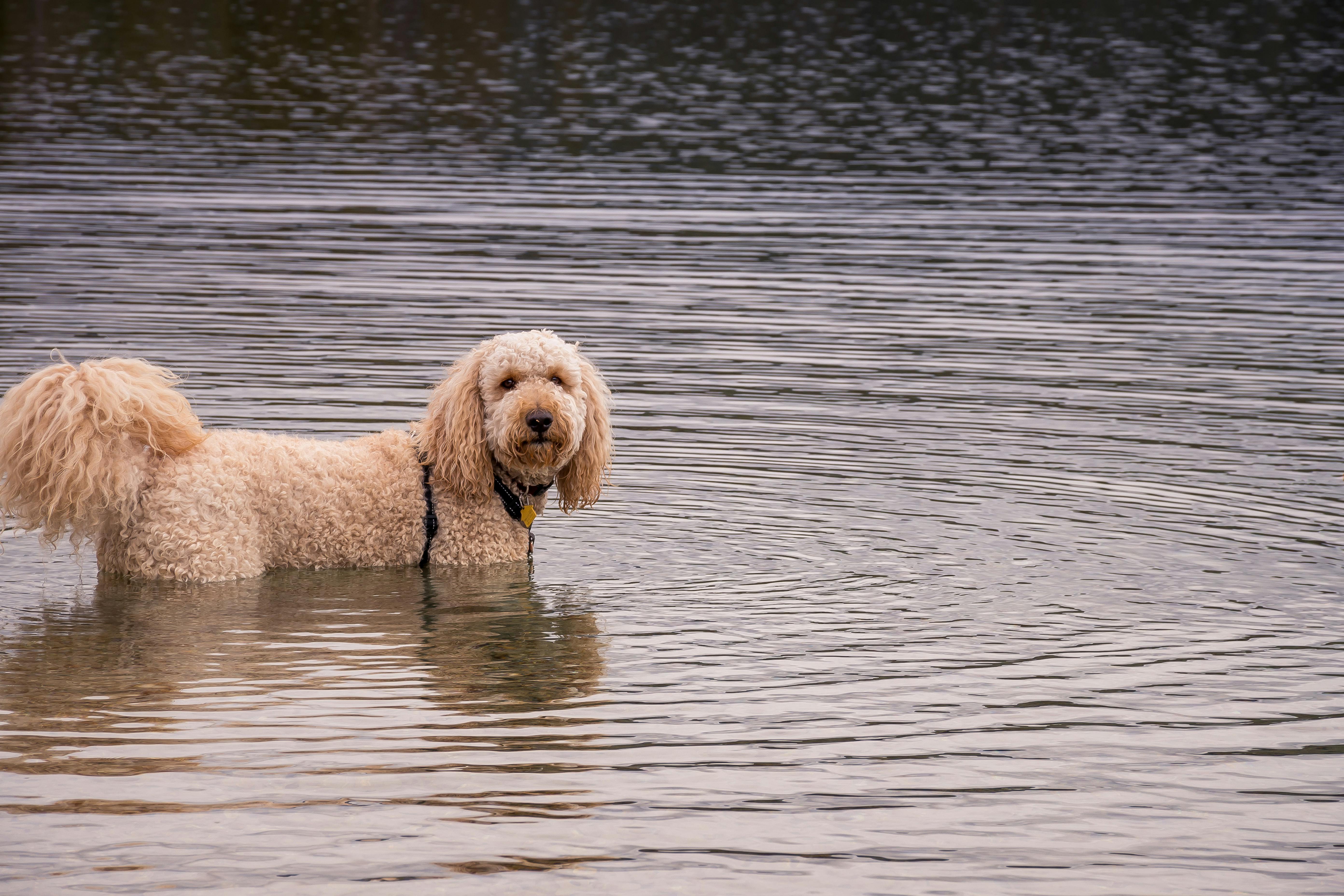 Water exercise provides joint-friendly movement for older dogs
Photo: Jean Alves / Pexels
What it is: Low-impact water exercise that supports joints while providing resistance
Why it works: Water buoyancy reduces stress on joints while providing excellent muscle conditioning
- Start in shallow water where your dog can touch bottom
- Use a canine life jacket for safety and confidence
- Keep sessions short (5-10 minutes initially)
- Always supervise and provide easy exit options
- Rinse off chlorine or salt water after swimming
3. Mental Stimulation Games – Senior Exercise #3
 Puzzle toys provide mental exercise without physical strain
Photo: Pexels
What it is: Brain games that challenge your dog mentally without physical stress
Why it works: Mental exercise can be just as tiring as physical activity for senior dogs
- Use puzzle feeders for meals instead of bowls
- Hide treats around the house for “seek and find” games
- Practice basic obedience commands for mental engagement
- Introduce new, gentle toys regularly to maintain interest
- Keep sessions short to prevent frustration
4. Gentle Strength Exercises – Senior Exercise #4
 Gentle strength exercises help maintain muscle and joint health
Photo: Jean Alves / Pexels
What it is: Controlled movements that maintain muscle mass and joint stability
Why it works: Targeted exercises help support aging joints and prevent muscle atrophy
- Practice “sit-to-stand” repetitions (3-5 times, 1-2 sets)
- Use cavaletti poles (low obstacles) for controlled stepping
- Practice gentle weight shifting exercises
- Consider physical therapy or canine rehabilitation
- Always stop if your dog shows signs of pain or discomfort
Important Safety Note
Never force your senior dog into positions that cause discomfort. If your dog has arthritis or joint issues, consult a veterinary physical therapist for appropriate exercises.
5. Nose Work & Scent Games – Senior Exercise #5
What it is: Games that engage your dog’s powerful sense of smell
Why it works: Provides mental enrichment with minimal physical exertion
- Hide treats in cardboard boxes or muffin tins
- Create a “snuffle mat” with fabric strips hiding kibble
- Play “which hand” games with high-value treats
- Scatter feeding in the yard encourages natural foraging
- Consider formal nose work classes for structured activity
Senior Dog Exercise Safety Tips
Keeping your older dog safe during exercise requires extra attention and awareness:
Before Exercise
- Consult your veterinarian about appropriate activities
- Warm up with gentle petting and massage
- Check weather conditions – avoid extreme temperatures
- Have water available at all times
- Consider joint supplements if recommended by your vet
During Exercise
- Watch for limping, lagging, or heavy panting
- Provide frequent rest breaks in shade or cool areas
- Let your dog set the pace and distance
- Avoid slippery surfaces that could cause falls
- Keep sessions short and positive
After Exercise
- Offer fresh water immediately
- Provide a comfortable, padded resting area
- Watch for stiffness or soreness the next day
- Consider gentle massage to promote circulation
- Adjust future exercise based on recovery
Warning Signs
- Excessive panting or difficulty breathing
- Lameness or favoring a leg
- Reluctance to continue activity
- Whining or signs of pain
- Excessive stiffness the next day
When to Skip Exercise
Some days, rest is the best medicine for your senior dog. Skip exercise when:
- Your dog seems unusually tired or lethargic
- There’s noticeable stiffness or limping
- Weather conditions are extreme (too hot, cold, or humid)
- Your dog is recovering from illness or medical procedure
- Your veterinarian has recommended rest
- Your dog shows signs of pain or discomfort
Listen to Your Dog
Senior dogs are excellent at communicating their needs. If your dog lies down during a walk, refuses to participate in usual activities, or shows any signs of distress, respect their message and provide rest instead.
Creating a Sustainable Routine
The most successful senior dog exercise programs are consistent, gentle, and adaptable. What works one month might need adjustment the next as your dog’s needs change. The goal isn’t intensity or duration, but rather maintaining quality of life, mobility, and the joy of shared activities.