Image credit: Yan Krukau / Pexels
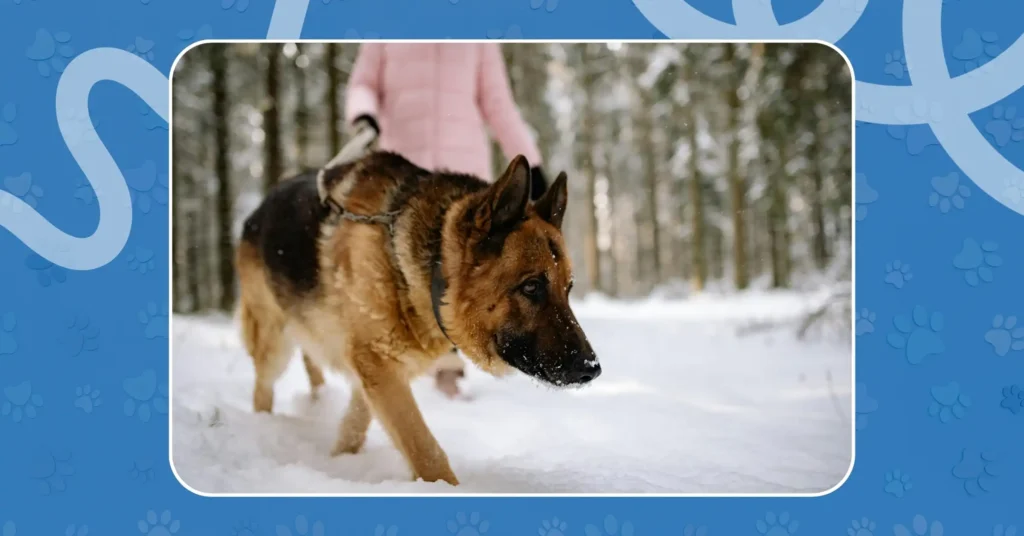
Winter transforms our world into a sparkling wonderland. However, for dogs, the cold season brings hidden hazards right at their feet—or rather, at their paws. Ice, rock salt, freezing temperatures, and wet conditions can turn a joyful walk into an uncomfortable, or even risky, experience for your furry friend. In addition, these dangers are often not immediately visible, which means careful preparation is essential to keep your dog safe.
Think of your dog’s paw pads like the soles of your own feet—but without socks or boots. They’re tough, but not invincible. A little knowledge and preparation can make all the difference between a winter of happy, bounding adventures and one of sore pads and vet visits.
Let’s explore how to keep those paws safe, warm, and healthy all season long.
The Winter “Paw” Hazards: What You’re Up Against
Understanding the dangers helps you protect your dog effectively:
- Cold Surfaces & Ice: Paw pads can get frostbitten. Ice balls can form between toes, especially in dogs with long fur.
- De-Icing Salt & Chemicals: Rock salt and chemical melts can cause burns, dryness, and cracking. Licking paws afterward can lead to stomach upset.
- Dry Air & Wet Conditions: Winter air dries paw pads, while slush softens skin, increasing susceptibility to damage.
- Hidden Dangers: Snow can hide sharp debris or toxic antifreeze on streets and driveways.
Your 5-Step Winter Paw Protection Plan
1. Before the Walk: The Pre-Game
- Trim the Toe Fur: Prevent snow and ice balls by keeping fur between pads short.
- Apply Protective Balm: Use pet-safe paw wax or balm before heading out. It repels moisture and salt.
- Consider Dog Booties: Provide insulation and a barrier against salt and ice. Introduce them indoors with treats and praise.
2. During the Walk: Stay Alert
- Choose Routes Wisely: Walk on fresh snow instead of heavily salted sidewalks. Avoid puddles of slush or chemical runoff.
- Watch for Discomfort: Signs like lifting paws, limping, or biting at feet indicate it’s time to head home.
3. After the Walk: The Essential Clean-Up
- Wipe Paws: Use a towel and warm water to remove salt, chemicals, and moisture.
- Check for Cracks or Injuries: Inspect for redness, cuts, cracks, or lodged ice.
- Re-Moisturize: Apply balm to soothe and rehydrate dry pads.
DIY Paw Check: What’s Normal, What’s Not
- Healthy Paws: Smooth, supple, and free of cracks. Warm quickly after a walk.
- Trouble Signs:
- Cracks, cuts, or blisters
- Redness or discoloration
- Excessive licking or chewing
- Limping or reluctance to walk
- Swelling
If you notice these signs, contact your veterinarian. Cracked pads can get infected, and frostbite or chemical burns require professional care.
A Cozy Post-Walk Ritual
After cleaning, make winter walks enjoyable. Offer a warm spot, cozy blanket, and safe, warm treat. Positive associations make dogs more willing to wear booties or tolerate paw wiping.
Paw-fectly Prepared for Winter
With preparation, protection, and post-walk care, your dog’s paws can stay healthy all winter. A little effort ensures endless snowy adventures for your furry friend.
Disclaimer: This blog is for educational purposes only and is not a substitute for professional veterinary advice. Always consult your veterinarian with any concerns about your pet’s health.
FAQ
A1: Dog paws can get frostbitten, cracked, or burned by ice, salt, and chemicals. Dry winter air and wet snow also increase susceptibility to injuries.
A2: Trim the fur between paw pads, apply a protective paw balm, and consider using dog booties for insulation and barrier protection.
A3: Wipe paws with warm water, inspect for injuries or cracks, and reapply paw balm to keep pads moisturized.
A4: Look for cracks, cuts, blisters, redness, swelling, excessive licking, or limping. Contact a veterinarian if these appear.