Introduction
As temperatures rise, most pet owners focus on basic cooling methods like providing fresh water, avoiding midday heat, and keeping pets indoors. While these are essential first steps, they are often not enough during intense or prolonged warm weather conditions.
Heat-related risks for pets can develop quickly and silently. Even when your pet seems calm, their body may be struggling to regulate temperature. This is especially true in humid environments, where cooling through panting becomes less effective.
Another hidden danger many people overlook is indoor heat. Homes without proper airflow can trap heat, turning into uncomfortable or even unsafe environments for pets.
The reality is clear — advanced heat protection strategies are necessary to ensure your pet’s safety and comfort.
Pets depend entirely on their owners for protection. By going beyond basic care and applying smart, proactive strategies, you can significantly reduce the risk of heat stress, dehydration, and long-term health issues.
In this complete guide from Earth Paw Pets, you’ll learn advanced techniques to protect your pet, including environmental control, cooling tools, hydration strategies, and emergency preparedness.
Why Basic Cooling Methods Are Not Enough
🌡️ High Temperature + Humidity
Heat becomes more dangerous when combined with humidity.
- Reduces effectiveness of panting
- Slows down natural cooling
- Increases internal heat buildup
🏠 Indoor Heat Trap Danger ⚠️
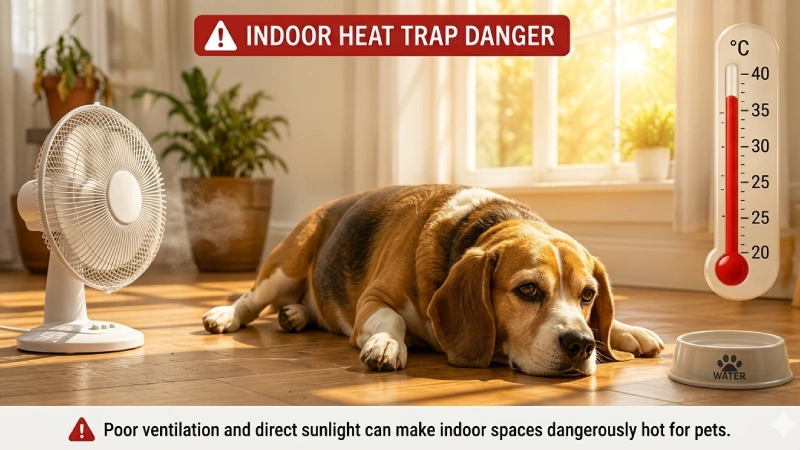
Many pet owners assume indoors is always safe, but this is not always true.
👉 Indoor risks include:
- Closed windows
- Poor ventilation
- Heat buildup from walls and roofs
Even without direct sunlight, temperatures indoors can rise steadily throughout the day.
🔁 Continuous Exposure to Heat
Pets don’t always get relief from heat.
- Long exposure leads to fatigue
- Body struggles to recover
- Risk increases over time
👉 This is why advanced protection is essential.
Advanced Cooling Tools for Pets
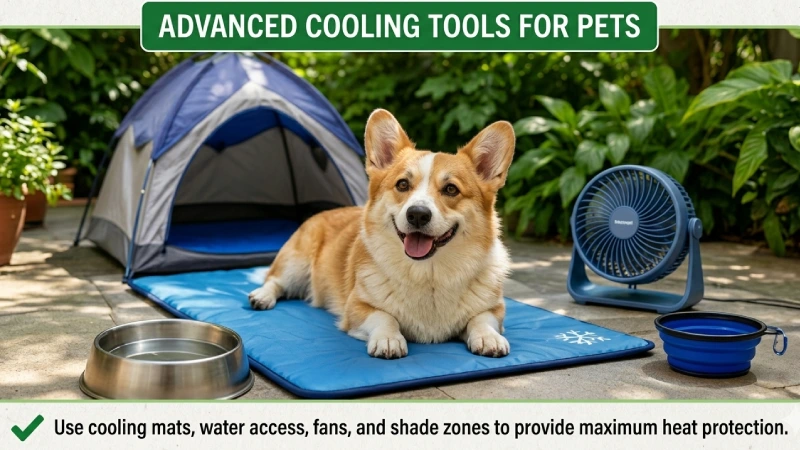
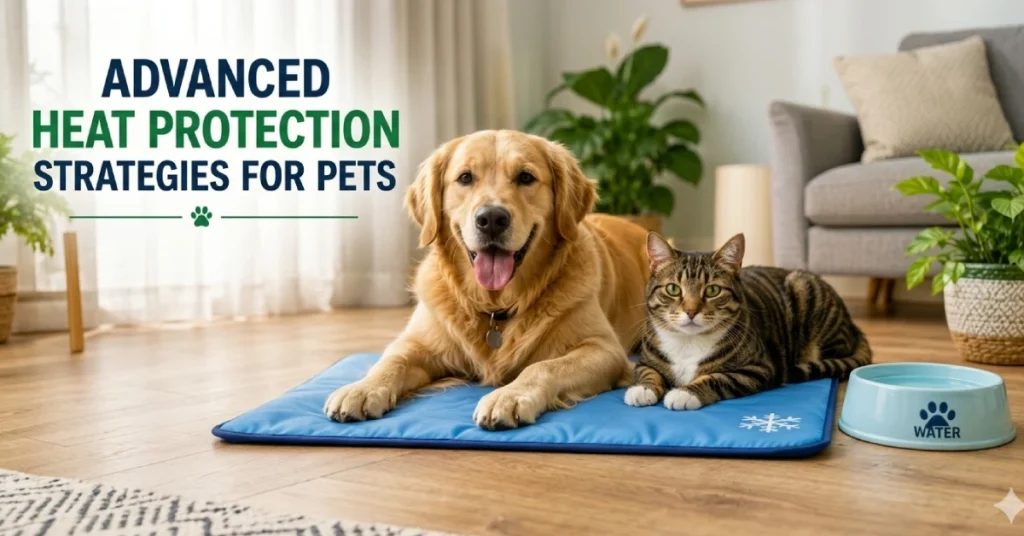
🧊 Cooling Mats
Cooling mats are one of the best solutions.
- Provide instant relief
- Maintain a lower body temperature
- Easy to use anywhere
👉 Ideal for resting areas.
💧 Smart Water Systems
Instead of just one bowl:
- Use multiple water stations
- Place them in shaded areas
- Refill frequently
🌬️ Fans and Airflow Systems
- Improve air circulation
- Reduce heat buildup
👉 Even simple airflow can make a big difference.
Creating a Heat-Safe Indoor Environment
🏠 Improve Ventilation
- Open windows safely
- Use fans
- Create cross-ventilation
❄️ Use Cooling Surfaces
- Tile floors
- Cooling mats
- Damp towels
🪟 Block Heat Entry
- Use curtains
- Reduce direct sunlight
👉 Small changes can significantly lower indoor temperature.
Outdoor Heat Protection Strategies
🌳 Build Shade Zones
- Trees
- Covered shelters
- Shade cloth
💧 Outdoor Water Access
- Always available
- Check regularly
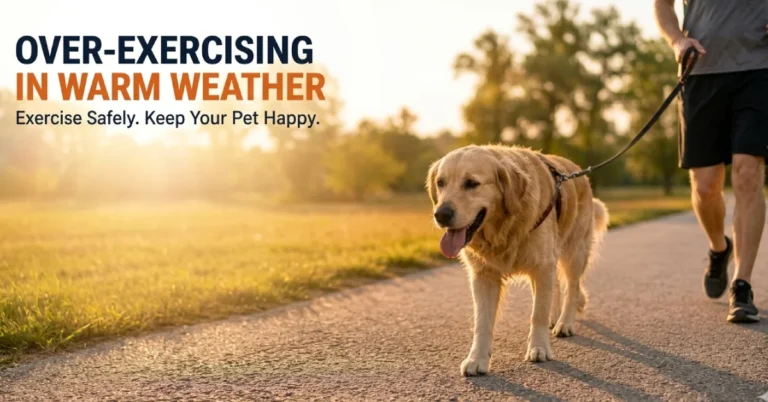
⏱️ Limit Outdoor Time
- Short sessions
- Frequent breaks
👉 Avoid peak heat hours completely.
Monitoring Your Pet in Warm Weather
🐾 Behavioral Changes
- Less activity
- Seeking cool places
- Slowing down
⚠️ Warning Signs
- Excessive panting
- Drooling
- Weakness
- Confusion
👉 Early detection saves lives.
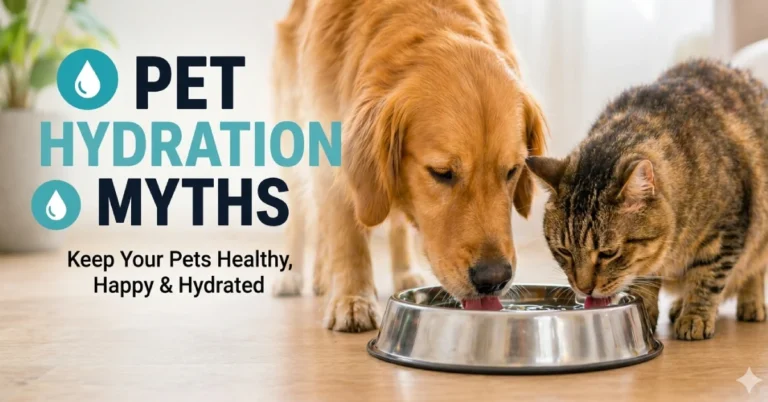
Advanced Hydration Techniques
💧 Frequent Small Intake
- Better than large amounts
- Easier on the body
🥣 Multiple Water Points
- Encourages drinking
- Prevents dehydration
🧊 Keep Water Fresh
- Replace regularly
- Avoid warm or stale water
Safe Cooling Techniques
✅ Gradual Cooling
- Use cool cloth
- Allow natural recovery
❌ Avoid Sudden Cooling
- Ice water
- Cold shock methods
👉 Sudden cooling can be harmful.
Special Care for High-Risk Pets
⚠️ Vulnerable Pets Include:
- Senior pets
- Overweight pets
- Thick-coated breeds
- Pets with medical conditions
👉 These pets require extra care and reduced exposure.
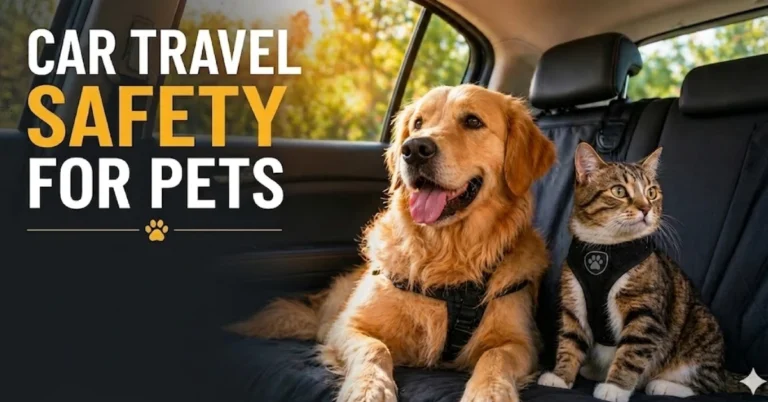
Travel and Heat Safety
🚗 Vehicle Risks
- Cars heat up quickly
- Dangerous even for short periods
🧳 Travel Preparation
- Carry water
- Use cooling mats
- Plan breaks
👉 Never leave pets unattended.
Night-Time Heat Management
🌙 Keep Sleeping Area Cool
- Ventilated space
- Cooling surface
🌬️ Improve Airflow
- Fans
- Open windows safely
👉 Heat protection continues at night.
Seasonal Adjustment Strategies
🌞 Peak Summer
- Maximum protection needed
- Reduce activity
🌤️ Mild Warm Weather
- Moderate precautions
👉 Adjust based on seasonal intensity.
Long-Term Heat Protection Planning
📅 Build a Routine
- Fixed cooling schedule
- Regular water checks
🧠 Stay Informed
- Monitor weather
- Adjust daily care
🔄 Stay Consistent
- Apply strategies daily
👉 Prevention is more effective than treatment.
Common Mistakes to Avoid
❌ Assuming Indoors Is Always Safe
Heat can accumulate indoors.
❌ Limited Water Availability
Increases dehydration risk.
❌ Ignoring Ventilation
Airflow is essential.
❌ Over-Reliance on One Method
Use multiple strategies.
Emergency Steps for Heat Stress
🚨 Immediate Actions
- Move pet to a cool area
- Offer small amounts of water
- Use a cool cloth
- Allow rest
⚠️ Avoid
- Ice water
- Forced drinking
📞 Seek Veterinary Help
- If symptoms continue
- If your pet becomes weak
Benefits of Advanced Heat Protection
🐾 Improved Health
- Reduces risk of heat-related illness
🧠 Better Comfort
- Keeps pets calm and relaxed
❤️ Stronger Bond
- Builds trust
Extra Pro Tips for Pet Owners
💡Observe Daily Behavior
- Watch for changes
- Act early
💡Prepare for Emergencies
- Keep vet contact ready
- Have a plan
💡Stay Proactive
- Prevent problems before they start
👉 Smart care leads to better outcomes.
Conclusion
Basic cooling methods are important, but they are not always enough to fully protect your pet from heat-related dangers.
Advanced strategies like cooling mats, proper ventilation, multiple water sources, and shaded environments provide stronger protection and improve your pet’s comfort.
Always remember — heat protection is about prevention, not just reaction.
By staying aware and prepared, you can ensure your pet remains safe, healthy, and comfortable even during extreme weather.
At Earth Paw Pets, we believe that proactive care leads to happier and healthier pets.
Disclaimer: The information provided in this blog post is for educational and informational purposes only and is not intended as a substitute for professional veterinary advice, diagnosis, or treatment. Always seek the guidance of your veterinarian with any questions you may have regarding your pet’s health or behavior. Never disregard professional veterinary advice or delay in seeking it because of something you have read here.
FAQ
A1: Yes, they help reduce body temperature safely.
A2: Yes, poorly ventilated spaces can trap heat.
A3: Provide shade, water, and limit exposure.
A4: No, use cool water instead.
A5: Panting, drooling, weakness.
A6: Use cooling tools, hydration, and ventilation.