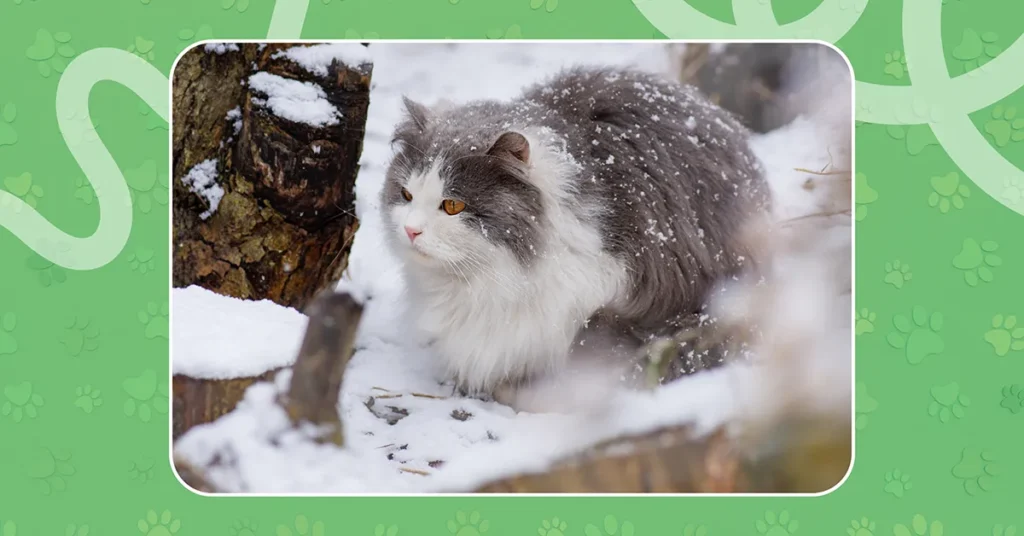
While the image of a dog bounding through snow is classic winter, our feline friends face the same harsh elements—often with more stealth and far less complaint. Whether your cat is an adventurous outdoor explorer or a porch-potter who dashes out for a moment, their delicate paws need protection from winter’s hidden dangers. Unlike dogs, cats are meticulous groomers, which adds another layer of risk when they lick chemicals off their feet.
A little awareness can prevent a season of discomfort for your cat. Let’s explore how to keep your kitty’s paws safe, whether they’re braving the cold or just stepping out for a quick winter sunbeam.
The Unique Winter Risks for Cat Paws
Cats face all the standard winter hazards, plus a few of their own:
- Cold Surfaces & Frostbite: Cats have a higher body temperature than humans, but their small size and minimal paw insulation make them susceptible to frostbite quickly—especially on ear tips, tails, and paw pads.
- De-Icing Salt & Chemicals: This is the #1 threat. Rock salt and chemical ice melts cause painful burns on pads. When your cat grooms, they ingest these toxins, which can lead to drooling, vomiting, or worse.
- Antifreeze (Ethylene Glycol): Extremely toxic and often lethal. Even a tiny puddle can be fatal if stepped in and later licked off.
- Dry, Cracked Pads: Indoor heating creates dry air, which can chap and crack sensitive paw pads, making them more vulnerable.
- Ice Accumulation: Long-haired cats can get snow and ice balls between their toes, causing pain and limiting mobility.
Your Cat’s Winter Paw Care Plan: Indoor & Outdoor Strategies
For the “Indoor-Only” Cat (Who Sometimes Sneaks Out)
- Create a Paw-Wiping Station: Keep a soft, damp cloth by the door. Wipe all four paws and their underside after brief outdoor excursions to remove salt or chemicals.
- Moisturize Dry Pads: Use a vet-approved, pet-safe paw balm. Apply a small amount when they are calm and distract them with a treat to prevent immediate licking.
- Provide Warm, Cozy Spots: Offer warm beds away from drafts. Consider a heated cat bed for senior cats or those extra sensitive to cold.
For the “Adventure Cat” or Outdoor Access Cat
- Paw Inspections are Mandatory: After every outdoor excursion, check paws for redness, cracks, ice balls, or tenderness.
- The “Before & After” Wipe-Down: Wipe paws before going outside (to reduce snow sticking) and immediately after to remove hazards.
- Consider Protective Paw Wax: Apply a vet-safe paw wax before outdoor time for a barrier against salt and moisture.
- Booties? It’s Possible: Some cats tolerate soft, well-fitting cat booties. Introduce slowly indoors with treats for best results.
- Limit Time Outdoors in Extreme Cold: On icy days, consider keeping them indoors entirely and provide extra playtime.
Critical: Preventing Poisoning from Grooming
Cats groom constantly, so toxic substances on their paws can end up ingested.
- Use Pet-Safe Ice Melt: Choose ice melts labeled “Pet-Safe” or “Paw-Friendly”—salt-free and safe compounds like urea.
- Immediate Cleaning is Key: Remove contaminants as soon as possible.
- Know the Signs of Toxicity: Drooling, vomiting, loss of appetite, lethargy, or stumbling after being outside are red flags. Contact your vet or animal poison control immediately.
DIY Paw Check: What to Look For
- Healthy Paws: Smooth, soft, uniform color, no cracks or redness.
- Signs of Trouble:
- Redness or swelling on pads or between toes
- Cracks, cuts, or blisters
- Limping or avoiding weight on a paw
- Excessive licking or chewing at one paw
- Cold, hard, or discolored (pale, gray, blue) patches—possible frostbite
If you see signs of injury, chemical burn, or frostbite, contact your veterinarian promptly.
Creating a Cozy Winter Sanctuary
Make the indoors irresistibly comfortable:
- Window perches for bird-watching
- Interactive puzzle toys
- Dedicated climbing and scratching spaces
A happy indoor cat is less likely to venture into dangerous winter conditions.
With these steps, your feline companion can stay safe, warm, and healthy from the tips of their ears to the pads of their paws all winter long.
Related Articles You Might Enjoy
Disclaimer
The information provided in this blog post is for educational and informational purposes only. We are not veterinarians or medical professionals. This content should not be considered veterinary or medical advice. Always consult a licensed veterinarian or animal poison control center for questions regarding your pet’s health, potential poisoning, or before changing their care routine.
FAQ
A1: Wipe your cat’s paws after outdoor trips, provide warm indoor spaces, and consider using vet-approved paw balms. Limit exposure during extreme cold and snow.
A2: No. Many chemical ice melts can burn paws and are toxic if ingested. Always use pet-safe or paw-friendly ice melt formulas.
A3: Some cats can tolerate soft, well-fitted booties, but introduce them gradually indoors with treats. Booties provide extra protection from salt, ice, and cold.
A4: Check for redness, swelling, cracks, blisters, excessive licking, limping, or cold/discolored pads. Contact a veterinarian if you notice these signs.
A5: Yes, use a vet-approved, pet-safe paw balm for dry or cracked pads. Apply when your cat is calm and prevent immediate licking.
A6: Indirectly. Dry indoor air can crack sensitive paw pads, so use moisturizers and provide cozy, draft-free spots.
A7: Seek immediate veterinary advice or contact an animal poison control center. Quick action can prevent serious harm.