Introduction
Every pet owner wants one simple thing: a happy, healthy companion. Whether you have a playful dog, a curious cat, or a small furry friend, their well-being depends on the care you provide every single day. But with so much information online, it can feel confusing—what’s truly important, and what’s just noise?
The good news is that keeping your pet healthy doesn’t have to be complicated. With a few consistent habits, proper nutrition, and a little attention, you can significantly improve your pet’s quality of life.
In this guide from Earth Paw Pets, you’ll learn simple, practical, and effective ways to keep your pet happy, active, and thriving.
Understanding Your Pet’s Basic Needs
Before diving into routines and tips, it’s important to understand the core needs of every pet.
Nutrition: The Foundation of Health
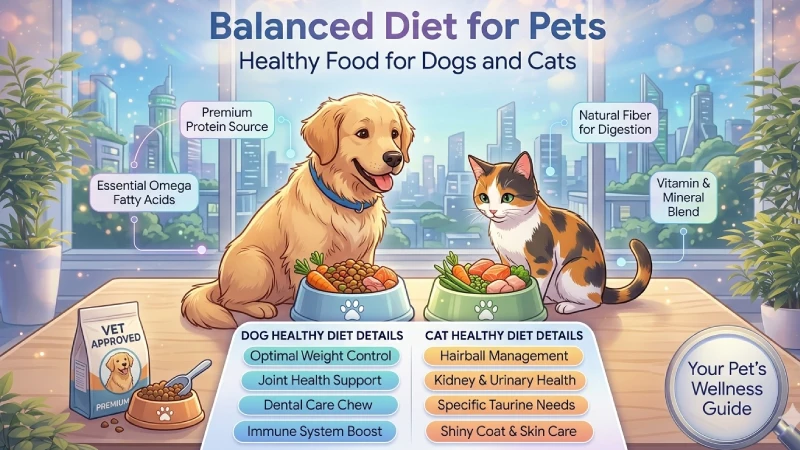
A balanced diet is the most important factor in your pet’s health.
- Choose high-quality pet food appropriate for your pet’s age and size
- Ensure clean, fresh water is always available
- Avoid feeding human foods that may be harmful
Each pet is different, so pay attention to how your pet responds to certain foods. If you notice changes in energy, coat condition, or digestion, it may be time to adjust their diet.
Exercise: Keeping Them Active

Just like humans, pets need regular physical activity.
- Dogs benefit from daily walks and playtime
- Cats enjoy interactive toys and climbing spaces
- Small pets need safe space to move and explore
Exercise helps maintain a healthy weight, reduces stress, and prevents behavioral issues.
Mental Stimulation: Preventing Boredom
A bored pet can become destructive or anxious.
- Rotate toys to keep things interesting
- Use puzzle feeders or treat-dispensing toys
- Spend time playing and interacting daily
Mental stimulation is just as important as physical exercise.
Creating a Healthy Daily Routine
Consistency is key when it comes to pet care.
Feeding Schedule
Feed your pet at the same time every day. This helps with digestion and creates a sense of security.
- Puppies and kittens may need multiple small meals
- Adult pets usually do well with 1–2 meals per day
Sleep and Rest
Pets need proper rest to stay healthy.
- Provide a quiet, comfortable sleeping area
- Avoid disturbing them during sleep
- Ensure they feel safe in their environment
Hygiene and Cleanliness
Maintaining hygiene prevents many common health issues.
- Regularly clean food and water bowls
- Keep bedding clean
- Groom your pet based on their needs
Grooming: More Than Just Appearance
Grooming is essential for your pet’s health—not just their looks.
Brushing and Coat Care
- Reduces shedding
- Prevents matting
- Keeps skin healthy
Different breeds require different grooming frequencies, so adjust accordingly.
Bathing
- Don’t over-bathe (it can dry out skin)
- Use pet-safe shampoos
- Dry thoroughly after bathing
Nail Trimming
Long nails can cause discomfort and even injury.
- Trim nails carefully and regularly
- If unsure, seek help from a professional groomer
Preventive Health Care
Prevention is always better than treatment.
Regular Vet Visits
Routine check-ups help catch problems early.
- Annual check-ups are recommended
- Vaccinations should be kept up to date
- Discuss diet and behavior with your vet
Parasite Control
Fleas, ticks, and worms can harm your pet.
- Use vet-recommended treatments
- Keep your pet’s living area clean
- Watch for signs like scratching or lethargy
Monitoring Behavior
Your pet can’t speak, but their behavior tells you a lot.
Watch for:
- Changes in appetite
- Sudden weight loss or gain
- Unusual aggression or withdrawal
These may indicate underlying issues that need attention.
Building a Strong Bond with Your Pet
A happy pet is one that feels loved and secure.
Spend Quality Time Together
- Play, walk, or simply sit together
- Talk to your pet—they recognize your voice
- Create positive experiences daily
Positive Reinforcement Training
Training helps your pet understand expectations.
- Reward good behavior
- Avoid punishment-based methods
- Be patient and consistent
Socialization
Especially important for dogs, socialization helps reduce fear and anxiety.
- Introduce them to new people and environments gradually
- Ensure experiences are safe and positive
Helpful Tips for Everyday Pet Care
Here are some simple but effective tips you can start using today:
- Always keep fresh water available
- Avoid sudden changes in diet
- Use safe toys suitable for your pet’s size
- Keep harmful items out of reach
- Provide a safe and comfortable living space
Small actions, done consistently, make a big difference over time.
Common Mistakes to Avoid
Even loving pet owners can make mistakes. Being aware helps you avoid them.
Overfeeding
It’s easy to give extra treats, but overfeeding leads to obesity and health problems.
Skipping Vet Visits
Waiting until your pet is sick can make treatment harder and more expensive.
Ignoring Dental Health
Dental care is often overlooked but very important.
- Use pet-safe dental products
- Provide chew toys that promote oral health
Lack of Exercise
A pet without enough activity may develop behavioral issues and health problems.
Using Human Products
Never use human shampoos, medications, or food without checking if they are safe for pets.
Creating a Safe Home Environment
Your home should be a safe haven for your pet.
Pet-Proofing Your Space
- Remove toxic plants
- Keep electrical cords out of reach
- Store chemicals safely
Comfortable Living Area
- Provide a cozy bed
- Ensure proper ventilation
- Keep temperature comfortable
Safe Outdoor Time
If your pet goes outside:
- Supervise when necessary
- Use secure fencing or leashes
- Avoid extreme weather conditions
Seasonal Care Tips
Different seasons bring different challenges.
Summer Care
- Ensure hydration
- Avoid hot surfaces
- Provide shade
Winter Care
- Keep your pet warm
- Limit exposure to cold
- Provide soft, warm bedding
Adapting your care routine to the weather keeps your pet comfortable year-round.
Nutrition Deep Dive: Choosing the Right Food
Understanding pet nutrition can feel overwhelming, but a few basics help you make better choices.
Types of Pet Food
- Dry food: convenient and cost-effective
- Wet food: more hydration, often more palatable
- Homemade diets: only with vet guidance
Reading Labels
Look for:
- Real protein sources
- Minimal fillers
- Balanced nutrients
Avoid foods with excessive artificial additives.
Emotional Well-Being of Pets
Pets have emotional needs too.
Recognizing Stress
Signs include:
- Hiding
- Excessive barking or meowing
- Loss of appetite
Reducing Anxiety
- Maintain a routine
- Provide comfort items
- Avoid sudden environmental changes
A calm pet is a healthy pet.
Conclusion
Taking care of your pet doesn’t require complicated routines or expensive products. What truly matters is consistency, attention, and love.
By focusing on proper nutrition, regular exercise, grooming, and preventive care, you can ensure your pet lives a long, happy, and healthy life. Remember, your pet depends on you—and even small efforts can make a big difference.
At Earth Paw Pets, we believe that every pet deserves the best care possible, and it starts with informed, loving owners like you.
Disclaimer: The information provided in this blog post is for educational and informational purposes only and is not intended as a substitute for professional veterinary advice, diagnosis, or treatment. Always seek the guidance of your veterinarian with any questions you may have regarding your pet’s health or behavior. Never disregard professional veterinary advice or delay in seeking it because of something you have read here.
FAQ
A1: Provide balanced food, fresh water, regular exercise, and routine vet check-ups.
A2: At least once a year, or more frequently for young or older pets.
A3: A balanced diet suitable for your pet’s age, size, and species is ideal.
A4: It depends on the pet, but daily activity is essential for all animals.
A5: Grooming helps maintain skin health, prevents infections, and keeps your pet comfortable.
A6: Maintain a routine, provide comfort, and ensure a safe, calm environment.